40-gallon breeder tank stocking ideas

The wide footprint is the attraction here. Build around a visible school and a proper bottom-dwelling group, leaving open water between planted areas.

91.5 × 45.5 × 40.5 cm36 × 18 × 16 in · about 124 L of waterabout 32.8 gal of water

Build your own plan

Complete plans to start from

Choose one plan below, not all of them together. These combinations pass current engine checks with the stated assumptions. Care data and editorial choices still need expert review.

40 gal breeder · A two-level community

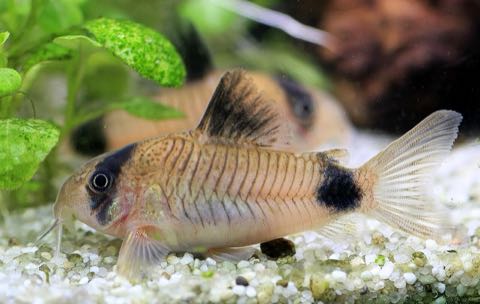
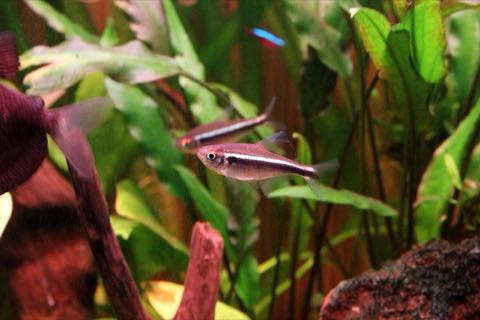
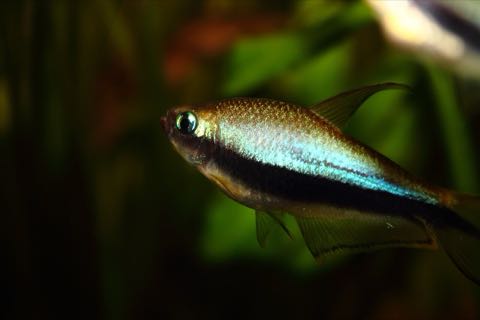
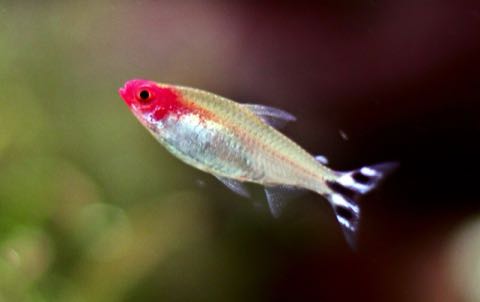
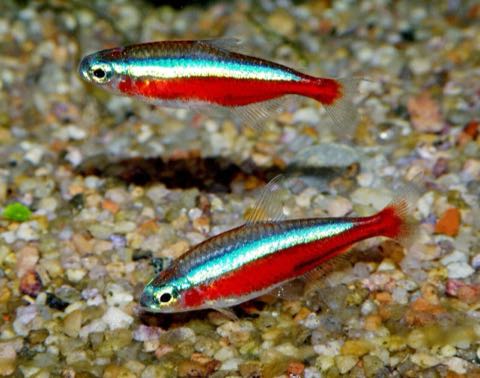
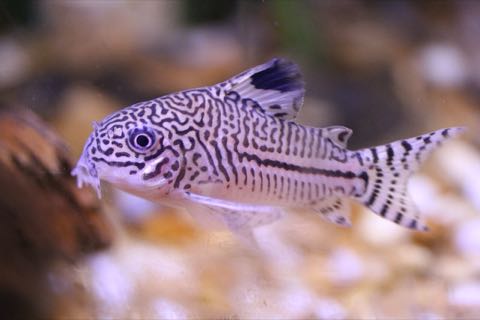
Neons above, corys below
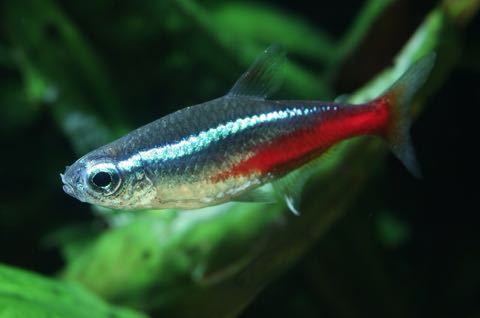
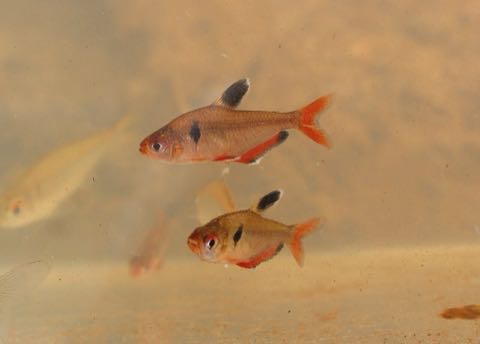
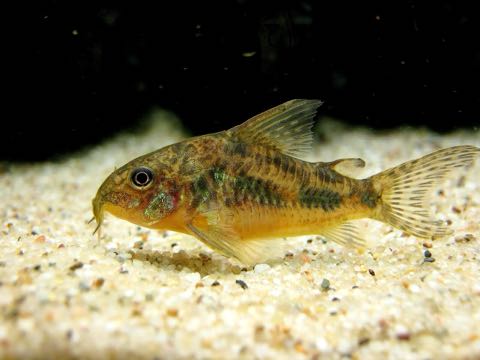
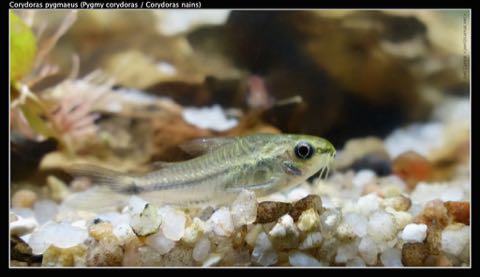
A complete neon tetra school uses the middle of the tank while panda corys forage together near the bottom. Both groups share a usable water range in the dataset.

Shared temperature
20–28 °C68–82 °F
Shared pH
5.5–7.5
Shared hardness
1–15 dGH
Estimated bioload
low

No blockers or warnings in current checks

Before you choose: Provide smooth substrate and feed the corys directly. They are not a substitute for cleaning. These numbers are a starting plan, not the maximum the tank can hold.

Assumptions and sources

Assumes 5 cm substrate, light hardscape and no specified filter flow or plants. Water ranges are the intersection of the listed species’ care ranges; check your own water before buying.Assumes 2 in substrate, light hardscape and no specified filter flow or plants. Water ranges are the intersection of the listed species’ care ranges; check your own water before buying.

Data 0.3.0 · Rules 0.1.2. Each species guide lists its care sources. Plan selection: curated-v0 (needs expert review); medium confidence. Passing the model is not expert review or a guarantee of behaviour.

  • Note: Estimated low bioload. The provisional adult mass model estimates 8.2 load units against 124.3 capacity units. Start with 25 L weekly water changes and adjust using water tests; this is not a nitrate forecast.
40 gal breeder · A gentle focal fish

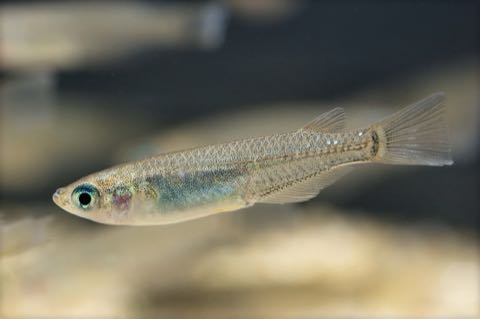
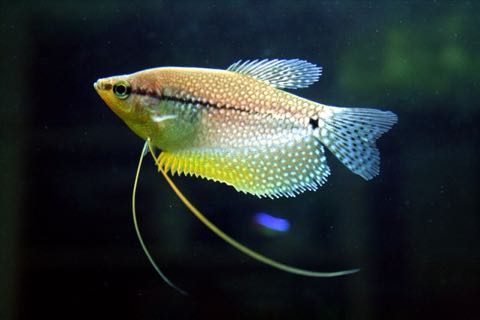
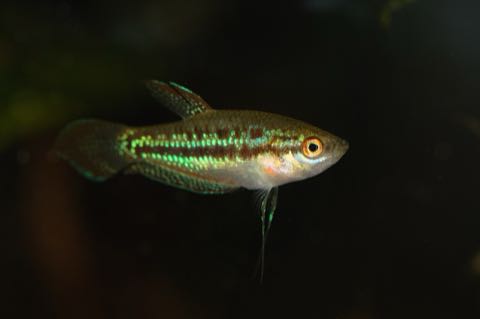
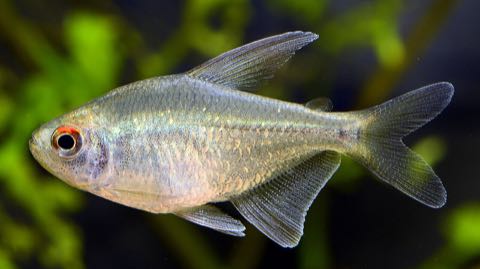
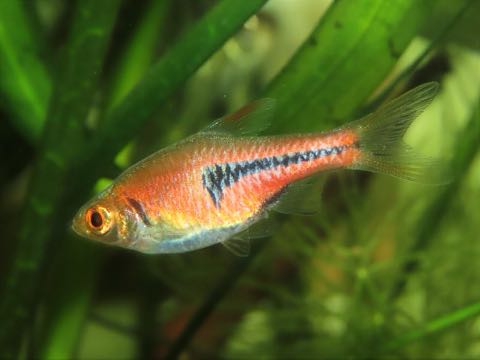
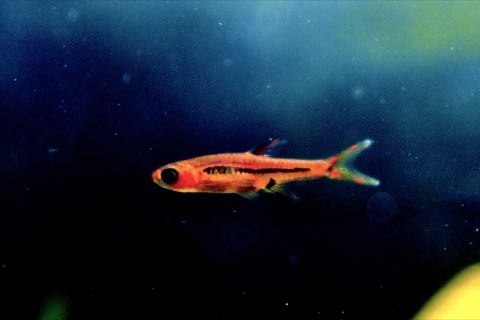
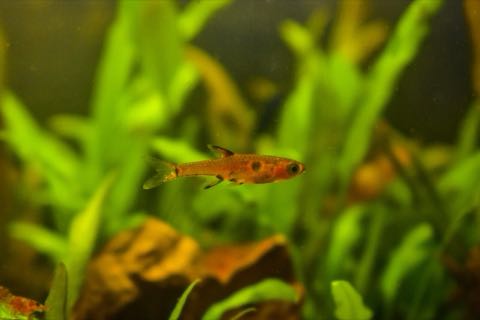
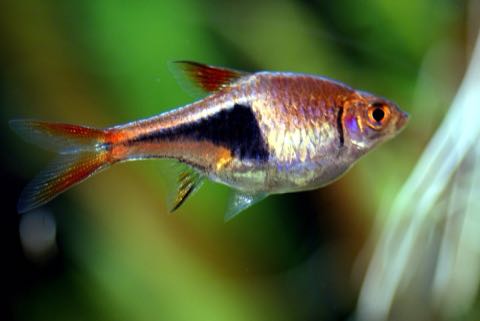
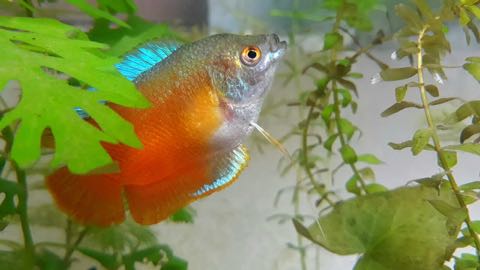
Rasboras with a honey gourami

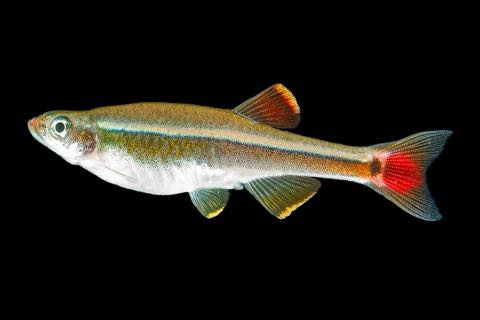
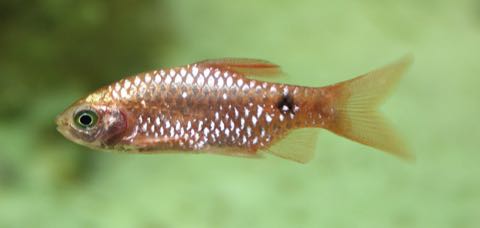
One honey gourami provides a focal fish beside a complete harlequin rasbora school. Plant the edges while keeping a clear swimming route and access to the surface.

Shared temperature
22–25 °C72–77 °F
Shared pH
6–8
Shared hardness
5–15 dGH
Estimated bioload
low

No blockers or warnings in current checks

Before you choose: Observe feeding and individual behaviour after introduction. Shelter helps a timid gourami, but extra plants do not create extra swimming length.

Assumptions and sources

Assumes 5 cm substrate, light hardscape and no specified filter flow or plants. Water ranges are the intersection of the listed species’ care ranges; check your own water before buying.Assumes 2 in substrate, light hardscape and no specified filter flow or plants. Water ranges are the intersection of the listed species’ care ranges; check your own water before buying.

Data 0.3.0 · Rules 0.1.2. Each species guide lists its care sources. Plan selection: curated-v0 (needs expert review); medium confidence. Passing the model is not expert review or a guarantee of behaviour.

  • Note: Estimated low bioload. The provisional adult mass model estimates 4.8 load units against 124.3 capacity units. Start with 25 L weekly water changes and adjust using water tests; this is not a nitrate forecast.
40 gal breeder · More movement, more floor space

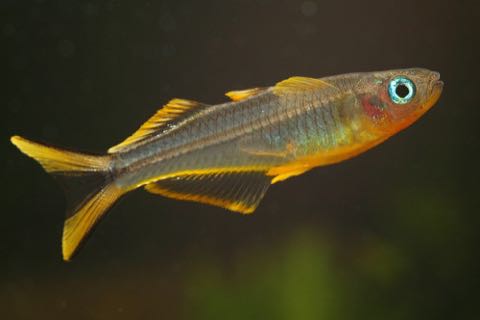
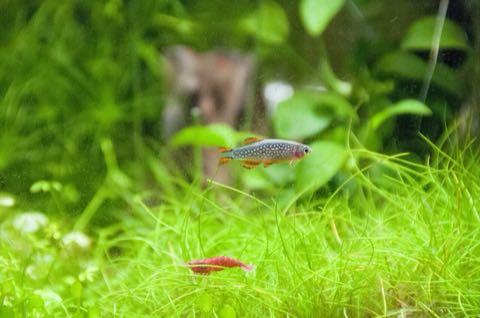
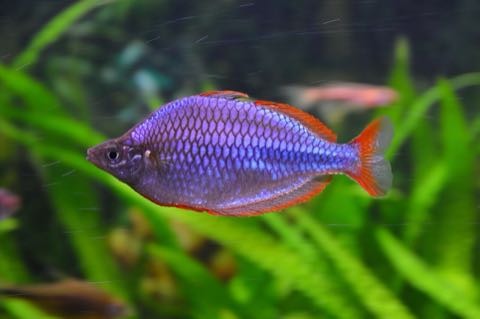
A lively rainbowfish school

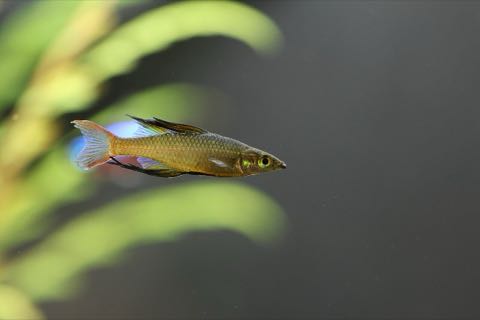
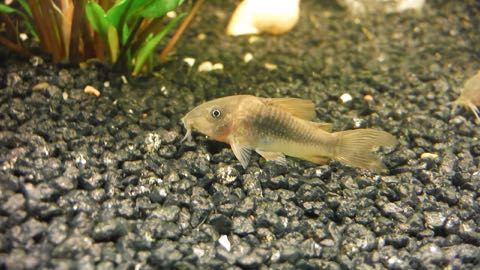
Dwarf neon rainbowfish use the longer swimming run, with a social group of bronze corys below. The wider footprint is useful for the bottom-dwelling group.

Shared temperature
23–27 °C73–81 °F
Shared pH
6–7.8
Shared hardness
5–15 dGH
Estimated bioload
moderate

No blockers or warnings in current checks

Before you choose: Keep the central swimming route open and use a secure lid. Check the exact dimensions of your tank; the volume on its label alone cannot establish fit.

Assumptions and sources

Assumes 5 cm substrate, light hardscape and no specified filter flow or plants. Water ranges are the intersection of the listed species’ care ranges; check your own water before buying.Assumes 2 in substrate, light hardscape and no specified filter flow or plants. Water ranges are the intersection of the listed species’ care ranges; check your own water before buying.

Data 0.3.0 · Rules 0.1.2. Each species guide lists its care sources. Plan selection: curated-v0 (needs expert review); medium confidence. Passing the model is not expert review or a guarantee of behaviour.

  • Note: Estimated moderate bioload. The provisional adult mass model estimates 27.0 load units against 124.3 capacity units. Start with 38 L weekly water changes and adjust using water tests; this is not a nitrate forecast.
Explore individual species

These are separate space checks, not a compatible community. Adding several entries may introduce water, behaviour or load problems. Plants and “clean-up crew” still need appropriate care.
Browse 404 species that pass adult space checks

Top 42

Middle 142

Bottom 172

Clean-up crew 23

Plants 25

Questions

What fish can I put in a 40 US gal breeder tank?

Starting groups of African butterfly cichlid, Agassiz's cory, Ajamaru rainbowfish, American flagfish, Angfa rainbowfish pass our adult space checks. Each choice is assessed separately; check a combined community in the planner.Starting groups of African butterfly cichlid, Agassiz's cory, Ajamaru rainbowfish, American flagfish, Angfa rainbowfish pass our adult space checks. Each choice is assessed separately; check a combined community in the planner.

How much water will this aquarium hold?

With 5 cm substrate, light hardscape, glass and freeboard allowances, the engine estimates 124 L of water. Nominal capacity and usable water differ.With 2 in substrate, light hardscape, glass and freeboard allowances, the engine estimates 32.8 gal of water. Nominal capacity and usable water differ.

Can a larger filter make room for more fish?

Filtration does not change the swimming length or floor space. The engine checks adult size, starting group crowding and territory before bioload.Filtration does not change the swimming length or floor space. The engine checks adult size, starting group crowding and territory before bioload.

How many schooling fish should I start with?

Use the minimum group beside each species below. Agassiz's cory: 6; Ajamaru rainbowfish: 6. Recheck the plan whenever you add companions.Use the minimum group beside each species below. Agassiz's cory: 6; Ajamaru rainbowfish: 6. Recheck the plan whenever you add companions.

Before adding fish: understand cycling · read the calculation method · how we handle sources.