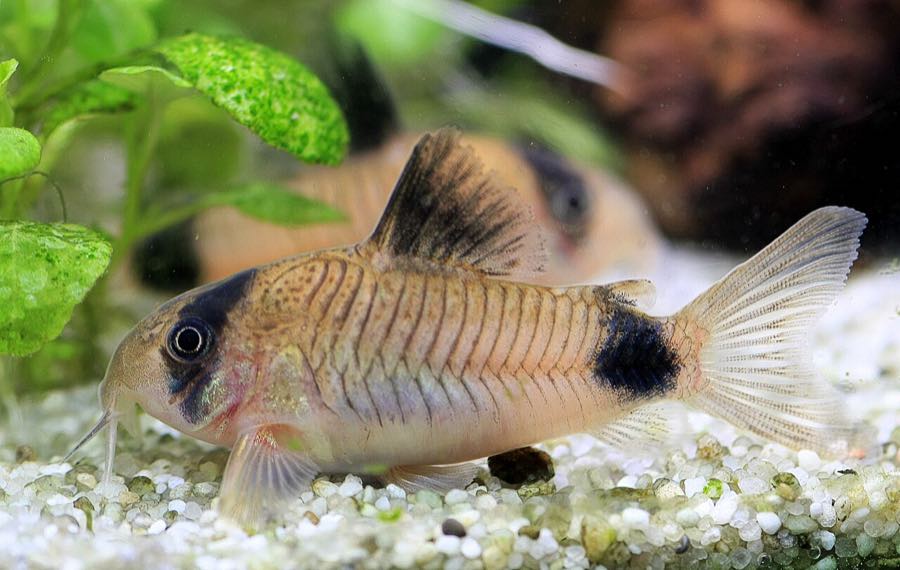
Panda cory tank size
Plan for a minimum tank length of 60 cm to provide adequate floor space for the entire group. Seriously Fish lists a smaller 45 cm base length rather than 60 cm. Use the larger floor area to give your fish room to forage together.Plan for a minimum tank length of 24 in to provide adequate floor space for the entire group. Seriously Fish lists a smaller 18 in base length rather than 24 in. Use the larger floor area to give your fish room to forage together.[1]
Fine river sand, wood and shaded resting places suit panda corys, and a planted community layout is also suitable. Keep the substrate clean because dirty bottoms are linked with barbel damage and infections. These fish do not replace regular substrate maintenance.Fine river sand, wood and shaded resting places suit panda corys, and a planted community layout is also suitable. Keep the substrate clean because dirty bottoms are linked with barbel damage and infections. These fish do not replace regular substrate maintenance.[1]
Panda cory water parameters
Routine captive care guidance is 22–25 °C, pH 6.0–7.4 and 1–12 dGH. Do not use an upper limit of 28 °C as a preferred long-term aquarium temperature.Routine captive care guidance is 72–77 °F, pH 6.0–7.4 and 1–12 dGH. Do not use an upper limit of 82 °F as a preferred long-term aquarium temperature.[1]
The species comes from upper Amazon tributaries in Peru, including streams seasonally cooled by Andean meltwater. This habitat context explains their natural origin, but it is not a recommendation for abrupt aquarium cooling.The species comes from upper Amazon tributaries in Peru, including streams seasonally cooled by Andean meltwater. This habitat context explains their natural origin, but it is not a recommendation for abrupt aquarium cooling.[1]
Establish biological filtration before introducing fish so that ammonia is undetectable and nitrite is controlled. Clear-looking water does not prove chemical safety. Test ammonia weekly and whenever appetite or behaviour changes, preserve the biological filter, and avoid overfeeding.Establish biological filtration before introducing fish so that ammonia is undetectable and nitrite is controlled. Clear-looking water does not prove chemical safety. Test ammonia weekly and whenever appetite or behaviour changes, preserve the biological filter, and avoid overfeeding.[3]
Feeding panda cories
Use sinking pellets or tablets as staple foods and deliver food to the bottom deliberately. Scraps escaping other fish are not a complete feeding plan. Offer Daphnia, Artemia or bloodworm as live or frozen variety.Use sinking pellets or tablets as staple foods and deliver food to the bottom deliberately. Scraps escaping other fish are not a complete feeding plan. Offer Daphnia, Artemia or bloodworm as live or frozen variety.[1]
General RSPCA feeding guidance advises offering two small meals daily, each limited to what the fish actually consume in about two minutes. Adjust portion size to your fish and remove uneaten food to protect water quality.General RSPCA feeding guidance advises offering two small meals daily, each limited to what the fish actually consume in about two minutes. Adjust portion size to your fish and remove uneaten food to protect water quality.[2]
Panda cory behaviour
Keep at least six panda corys together. Company of fish of the same species encourages confidence and activity among the group.Keep at least six panda corys together. Company of fish of the same species encourages confidence and activity among the group.[1]
Typical adult length is 3.5 cm with a maximum adult length of 4.1 cm, whereas Seriously Fish reports 5 cm standard length.Typical adult length is 1.4 in with a maximum adult length of 1.6 in, whereas Seriously Fish reports 2 in standard length.[1]
Most fish sold are farm-bred, and the species is peaceful, but deteriorating water or substrate remains a care concern. Occasional trips to gulp air are normal cory behaviour, but more frequent surfacing with deteriorating conditions calls for checking water quality and oxygenation.Most fish sold are farm-bred, and the species is peaceful, but deteriorating water or substrate remains a care concern. Occasional trips to gulp air are normal cory behaviour, but more frequent surfacing with deteriorating conditions calls for checking water quality and oxygenation.[1]
Pectoral spines may snag in nets or puncture skin, so move the fish carefully whenever transferring them.Pectoral spines may snag in nets or puncture skin, so move the fish carefully whenever transferring them.[1]
Panda cory tank mates
Neon tetrasNeon tetras represent a small peaceful midwater shoal that can share an aquarium conditionally. Check shared temperature, water chemistry, full group sizes and sufficient tank space, and watch feeding competition so food reaches the bottom. represent a small peaceful midwater shoal that can share an aquarium conditionally. Check shared temperature, water chemistry, full group sizes and sufficient tank space, and watch feeding competition so food reaches the bottom.[1]
Glowlight tetrasGlowlight tetras also represent a small peaceful midwater shoal, while also represent a small peaceful midwater shoal, while Harlequin rasborasHarlequin rasboras represent peaceful small cyprinids. Confirm matching water chemistry and temperature, maintain full groups, and monitor feeding competition at the substrate. represent peaceful small cyprinids. Confirm matching water chemistry and temperature, maintain full groups, and monitor feeding competition at the substrate.[1]
Honey gouramisHoney gouramis represent small relatively gentle anabantoids that can live alongside panda corys under matching water conditions. Ensure sufficient tank space for both species and make sure sinking rations are delivered directly. represent small relatively gentle anabantoids that can live alongside panda corys under matching water conditions. Ensure sufficient tank space for both species and make sure sinking rations are delivered directly.[1]
Avoid predatory fish like Avoid predatory fish like OscarsOscars, which must not share with much smaller fish due to predation risks. Avoid large cichlids like , which must not share with much smaller fish due to predation risks. Avoid large cichlids like Jack DempseysJack Dempseys because they require companions too large to swallow and develop aggression as they mature. because they require companions too large to swallow and develop aggression as they mature.[1][6][7]
Avoid Avoid Pea puffersPea puffers, which carry a documented risk of nipping slow or long-finned companions. Additionally, note that panda corys may eat bite-sized fish eggs or fish fry present in the tank., which carry a documented risk of nipping slow or long-finned companions. Additionally, note that panda corys may eat bite-sized fish eggs or fish fry present in the tank.[1][8]
Usually fine together
- African butterfly cichlid
- African clawed frog
- Agassiz's cory
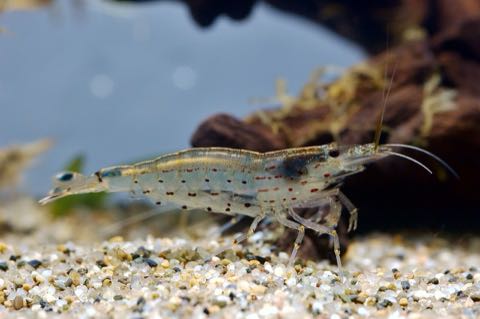 Amano shrimp
- American flagfish
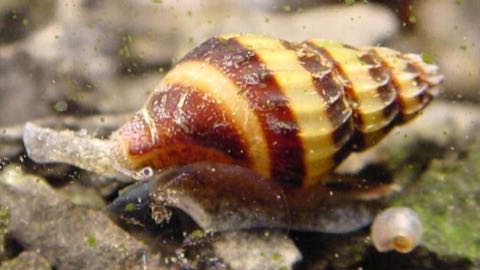 Assassin snail
- Banded gourami
- Bandit cory
- Banjo catfish
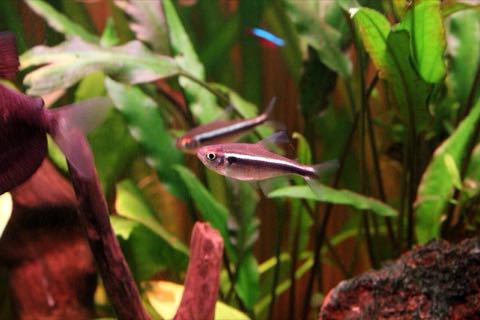 Black neon tetra
- Black phantom tetra
- Black ruby barb
Avoid with
- African knifefish
African knifefish may eat Panda coryAfrican knifefish may eat Panda cory
- African pike
African pike may eat Panda coryAfrican pike may eat Panda cory
- Alligator gar
Alligator gar may eat Panda coryAlligator gar may eat Panda cory
- Antenna ray
Antenna ray may eat Panda coryAntenna ray may eat Panda cory
- Arapaima
Arapaima may eat Panda coryArapaima may eat Panda cory
- Arrowhead puffer
Arrowhead puffer may eat Panda coryArrowhead puffer may eat Panda cory
- Asian arowana
Asian arowana may eat Panda coryAsian arowana may eat Panda cory
- Asian upside-down catfish
Asian upside down catfish may eat Panda coryAsian upside down catfish may eat Panda cory
- Australian pearl arowana
Australian pearl arowana may eat Panda coryAustralian pearl arowana may eat Panda cory
- Barred bichir
Barred bichir may eat Panda coryBarred bichir may eat Panda cory
- Black bullhead
Black bullhead may eat Panda coryBlack bullhead may eat Panda cory
- Black diamond cichlid
Black diamond cichlid may eat Panda coryBlack diamond cichlid may eat Panda cory
Breeding panda cories
Use gentle sponge filtration and a varied diet when preparing a breeding group. Females lay adhesive eggs on surfaces such as aquarium glass.Use gentle sponge filtration and a varied diet when preparing a breeding group. Females lay adhesive eggs on surfaces such as aquarium glass.[1]
Adults may eat the eggs after laying, so separate eggs or parents for deliberate rearing.Adults may eat the eggs after laying, so separate eggs or parents for deliberate rearing.[1]
Eggs hatch in three to five days. Feed microworms or newly hatched Artemia after yolk reserves are used.Eggs hatch in three to five days. Feed microworms or newly hatched Artemia after yolk reserves are used.[1]
Panda cory health problems
Ich is a contagious protozoan infection of freshwater fish where white grains on skin or fins, rubbing, mucus or reduced appetite are warning signs. Appearance alone cannot confirm the cause, so reduce introduction risk with at least 30 days of quarantine and separate nets and siphons, and obtain a prompt fish-health diagnosis.Ich is a contagious protozoan infection of freshwater fish where white grains on skin or fins, rubbing, mucus or reduced appetite are warning signs. Appearance alone cannot confirm the cause, so reduce introduction risk with at least 30 days of quarantine and separate nets and siphons, and obtain a prompt fish-health diagnosis.[5]
Bacterial fin rot can cause progressive fin-edge erosion and redness or bloody streaks, with poor conditions and stress favouring infection. Prevent avoidable risk with clean water and protection from injury or harassment, and seek diagnosis rather than assuming all damaged fins have fin rot.Bacterial fin rot can cause progressive fin-edge erosion and redness or bloody streaks, with poor conditions and stress favouring infection. Prevent avoidable risk with clean water and protection from injury or harassment, and seek diagnosis rather than assuming all damaged fins have fin rot.[4]
Ammonia poisoning damages gills and tissues, stresses fish and may cause reduced feeding. It comes from fish metabolism and decaying food or waste, so test water rather than diagnosing by appearance, cycle the filter before stocking and avoid excess feeding.Ammonia poisoning damages gills and tissues, stresses fish and may cause reduced feeding. It comes from fish metabolism and decaying food or waste, so test water rather than diagnosing by appearance, cycle the filter before stocking and avoid excess feeding.[3]
Male or female?
Mature females tend to be slightly larger with a rounder abdomen than males, and viewing the fish from above helps you compare them. Immature fish are harder to compare.Mature females tend to be slightly larger with a rounder abdomen than males, and viewing the fish from above helps you compare them. Immature fish are harder to compare.[1]
Questions
How many panda corys should be together?
Keep at least six panda corys together. Company of fish of the same species encourages confidence and active behaviour.Keep at least six panda corys together. Company of fish of the same species encourages confidence and active behaviour.[1]
How do I tell if my panda cory is male or female?
View mature fish from above. Mature females tend to be slightly larger with a rounder abdomen than males, whereas immature fish are harder to compare.View mature fish from above. Mature females tend to be slightly larger with a rounder abdomen than males, whereas immature fish are harder to compare.[1]
How often should I feed my panda cory?
Offer two small meals daily based on general RSPCA guidance. Limit each feeding to what the fish consume in about two minutes and remove uneaten food.Offer two small meals daily based on general RSPCA guidance. Limit each feeding to what the fish consume in about two minutes and remove uneaten food.[2]
Why do panda corys swim to the surface?
Occasional trips to gulp air are normal cory behaviour. However, more frequent surfacing under deteriorating conditions calls for checking water quality and dissolved oxygenation.Occasional trips to gulp air are normal cory behaviour. However, more frequent surfacing under deteriorating conditions calls for checking water quality and dissolved oxygenation.[1]
Will panda corys clean the tank?
No, panda corys do not replace substrate maintenance. Dirty bottoms are linked with barbel damage and infections, and you must deliver food directly to the bottom rather than expecting them to live on waste.No, panda corys do not replace substrate maintenance. Dirty bottoms are linked with barbel damage and infections, and you must deliver food directly to the bottom rather than expecting them to live on waste.[1]
Sources
- Panda cory — Seriously Fish. Accessed 2026-10-05.
- What to feed your fish — RSPCA. Accessed 2026-10-05.
- Ammonia in Aquatic Systems — UF/IFAS Extension. Accessed 2026-10-05.
- Frequently asked questions on treating sick fish — Practical Fishkeeping. Accessed 2026-10-05.
- Ichthyophthirius multifiliis (White Spot) Infections in Fish — UF/IFAS Extension. Accessed 2026-10-05.
- Astronotus ocellatus (Oscar) — Seriously Fish. Accessed 2026-10-05.
- Rocio octofasciata (Jack Dempsey) — Seriously Fish. Accessed 2026-10-05.
- Carinotetraodon travancoricus (Dwarf Puffer) — Seriously Fish. Accessed 2026-10-05.
Written from the sources above. Not yet reviewed by an aquarist.
Data used by the planner
| Temperature | 19–28 | AqAdvisor (aqadvisor.com), retrieved 2026-10-04 · low confidence |
|---|---|---|
| pH | 5.5–7.8 | AqAdvisor (aqadvisor.com), retrieved 2026-10-04; agrees with FishBase (fishbase.se), retrieved 2026-10-04 · medium confidence |
| Hardness (dGH) | 1–15 | AqAdvisor (aqadvisor.com), retrieved 2026-10-04 · low confidence |
| Origin | South America | curated-v0 (needs expert review) · low confidence |
| Beginner friendly | Yes | curated-v0 (needs expert review) · medium confidence |
| Care level | easy | curated-v0 (needs expert review) · medium confidence |
| Activity | moderate | curated-v0 (needs expert review) · medium confidence |
| Swimming level | bottom | curated-v0 (needs expert review) · medium confidence |
| Temperament | peaceful | curated-v0 (needs expert review) · medium confidence |
| Nips fins | No | curated-v0 (needs expert review) · medium confidence |
| Long fins | No | curated-v0 (needs expert review) · medium confidence |
| Territorial | No | curated-v0 (needs expert review) · medium confidence |
| Lives in groups | Yes | curated-v0 (needs expert review) · medium confidence |
| Minimum group | 6 | curated-v0 (needs expert review) · medium confidence |
| Diet | omnivore | curated-v0 (needs expert review) · medium confidence |
| Lifespan (years) | 3–6 | curated-v0 (needs expert review) · low confidence |
| Months to adult size | 12 | curated-v0 (needs expert review) · low confidence |
| Safe with plants | Yes | curated-v0 (needs expert review) · medium confidence |
| Minimum tank length | 60 | curated-v0 (needs expert review) · medium confidence |