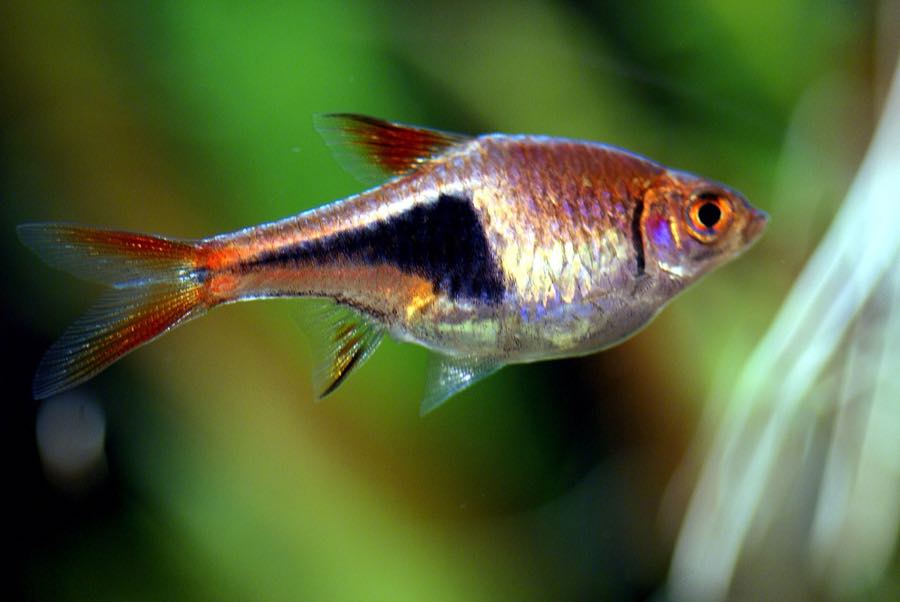
Harlequin rasbora tank size
Choose a tank length of at least 60 cm for a shoal of harlequin rasboras. Position your live plants along the perimeter to leave an unobstructed open swimming route across the aquarium. Harlequins do not need an elaborate display of equipment to settle comfortably.Choose a tank length of at least 24 in for a shoal of harlequin rasboras. Position your live plants along the perimeter to leave an unobstructed open swimming route across the aquarium. Harlequins do not need an elaborate display of equipment to settle comfortably.[1]
A dark substrate combined with shaded corners brings out the copper-pink tones of the fish while offering secure retreats. Use plants that tolerate subdued light, such as Java fern, Anubias, or Cryptocoryne. If your aquarium lighting is bright, add floating plants to soften the glare.A dark substrate combined with shaded corners brings out the copper-pink tones of the fish while offering secure retreats. Use plants that tolerate subdued light, such as Java fern, Anubias, or Cryptocoryne. If your aquarium lighting is bright, add floating plants to soften the glare.[1]
Harlequin rasbora water parameters
Keep water temperature steady within 22–25 °C. For practical chemistry, aim for a pH of 6.0–7.5 and a hardness of 5–12 dGH, which overlaps the published guidance across sources.Keep water temperature steady within 72–77 °F. For practical chemistry, aim for a pH of 6.0–7.5 and a hardness of 5–12 dGH, which overlaps the published guidance across sources.[1]
Introduce the shoal only to a fully cycled filter where ammonia and nitrite levels are undetectable. Test your water weekly, as well as immediately following any changes to your livestock or filtration equipment.Introduce the shoal only to a fully cycled filter where ammonia and nitrite levels are undetectable. Test your water weekly, as well as immediately following any changes to your livestock or filtration equipment.[7]
Feeding harlequin rasboras
Feed a small meal once a day using quality dry flakes or fine granules. Offer an amount that the entire shoal consumes completely within about two minutes.Feed a small meal once a day using quality dry flakes or fine granules. Offer an amount that the entire shoal consumes completely within about two minutes.[1][7]
Add variety by offering appropriately sized thawed daphnia, bloodworm, or brine shrimp. Ensure the food particles are small enough for every fish to swallow, and scatter the meal across the surface so quiet rasboras are not outcompeted by larger or faster tank companions.Add variety by offering appropriately sized thawed daphnia, bloodworm, or brine shrimp. Ensure the food particles are small enough for every fish to swallow, and scatter the meal across the surface so quiet rasboras are not outcompeted by larger or faster tank companions.[1][7][2]
Harlequin rasbora behaviour
Harlequin rasboras are peaceful middle-dwellers that require the security of their own kind. Keep a minimum group of six fish, though an eight to ten individual group is recommended by Seriously Fish when your tank space allows. Larger groups display tighter shoaling and more natural activity.Harlequin rasboras are peaceful middle-dwellers that require the security of their own kind. Keep a minimum group of six fish, though an eight to ten individual group is recommended by Seriously Fish when your tank space allows. Larger groups display tighter shoaling and more natural activity.[1]
Typical adult length is about 4 cm, with larger fish reaching an adult length of 4.1 cm. Alongside the familiar copper-pink wild form, ornamental captive strains include blue, black, and golden colour varieties. OATA notes that rasboras live as multiyear inhabitants in well-established aquariums supported by consistent water quality.Typical adult length is about 2 in, with larger fish reaching an adult length of 1.6 in. Alongside the familiar copper-pink wild form, ornamental captive strains include blue, black, and golden colour varieties. OATA notes that rasboras live as multiyear inhabitants in well-established aquariums supported by consistent water quality.[1][7]
Harlequin rasbora tank mates
Neon tetrasNeon tetras make an ideal companion shoal in an aquarium with ample space for both groups to swim freely. For the upper levels of a planted layout, make an ideal companion shoal in an aquarium with ample space for both groups to swim freely. For the upper levels of a planted layout, honey gouramishoney gouramis offer gentle, slow-moving company that matches the rasboras' calm temperament. offer gentle, slow-moving company that matches the rasboras' calm temperament.[1]
To stock the bottom zones, consider To stock the bottom zones, consider bronze corydorasbronze corydoras or or panda corydoraspanda corydoras. Their peaceful habits complement a midwater rasbora shoal, provided you supply adequate open floor space and maintain them in their own social groups.. Their peaceful habits complement a midwater rasbora shoal, provided you supply adequate open floor space and maintain them in their own social groups.[1][2]
Do not house harlequins with predatory Do not house harlequins with predatory oscarsoscars, which will swallow small cyprinids. You must also avoid , which will swallow small cyprinids. You must also avoid Jack DempseysJack Dempseys, as their territorial nature poses severe risks to peaceful community fish., as their territorial nature poses severe risks to peaceful community fish.[5][6][8]
Pea puffersPea puffers are another poor choice for a calm rasbora community. Their persistent nipping behaviours and unpredictable interactions create constant disruption and injury risks for small schooling fish. are another poor choice for a calm rasbora community. Their persistent nipping behaviours and unpredictable interactions create constant disruption and injury risks for small schooling fish.[5][6][8]
Usually fine together
- African butterfly cichlid
- African clawed frog
- Agassiz's cory
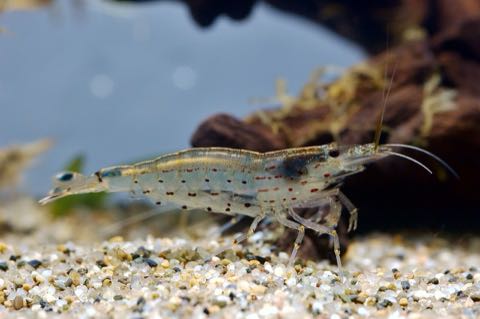 Amano shrimp
- American flagfish
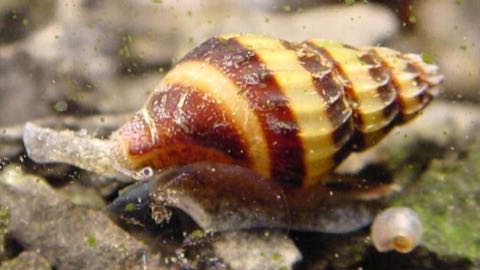 Assassin snail
- Banded gourami
- Bandit cory
- Banjo catfish
- Black phantom tetra
- Black ruby barb
- Blackline rasbora
Avoid with
- Irian Jaya rainbowfish
No shared temperature rangeNo shared temperature range
- Parkinson's rainbowfish
No shared temperature rangeNo shared temperature range
- Rusty cichlid
No shared temperature rangeNo shared temperature range
- African knifefish
African knifefish may eat Harlequin rasboraAfrican knifefish may eat Harlequin rasbora
- African pike
African pike may eat Harlequin rasboraAfrican pike may eat Harlequin rasbora
- Alligator gar
Alligator gar may eat Harlequin rasboraAlligator gar may eat Harlequin rasbora
- Altum angelfish
No shared temperature rangeNo shared temperature range
- Antenna ray
Antenna ray may eat Harlequin rasboraAntenna ray may eat Harlequin rasbora
- Arapaima
Arapaima may eat Harlequin rasboraArapaima may eat Harlequin rasbora
- Arrowhead puffer
Arrowhead puffer may eat Harlequin rasboraArrowhead puffer may eat Harlequin rasbora
- Asian arowana
Asian arowana may eat Harlequin rasboraAsian arowana may eat Harlequin rasbora
- Asian upside-down catfish
Asian upside down catfish may eat Harlequin rasboraAsian upside down catfish may eat Harlequin rasbora
Breeding harlequin rasboras
Unlike species that broadcast eggs across gravel, harlequins attach their adhesive eggs to the undersides of broad plant leaves. During the spawning ritual, the breeding pair frequently inverts upside down beneath a chosen leaf surface.Unlike species that broadcast eggs across gravel, harlequins attach their adhesive eggs to the undersides of broad plant leaves. During the spawning ritual, the breeding pair frequently inverts upside down beneath a chosen leaf surface.[1]
Set up a dedicated, dimly lit breeding aquarium if you intend to raise fry. Adult rasboras show zero parental care and readily eat their own eggs, meaning you must separate the breeders or protect the clutch immediately after spawning finishes.Set up a dedicated, dimly lit breeding aquarium if you intend to raise fry. Adult rasboras show zero parental care and readily eat their own eggs, meaning you must separate the breeders or protect the clutch immediately after spawning finishes.[1]
Harlequin rasbora health problems
Ich manifests as tiny white salt-like cysts scattered across the skin and fins, frequently causing infected fish to breathe rapidly or rub their bodies against decor. This parasite spreads via contaminated equipment or unquarantined stock. Prevent outbreaks by using separate nets and holding all newcomers in quarantine for 30 days.Ich manifests as tiny white salt-like cysts scattered across the skin and fins, frequently causing infected fish to breathe rapidly or rub their bodies against decor. This parasite spreads via contaminated equipment or unquarantined stock. Prevent outbreaks by using separate nets and holding all newcomers in quarantine for 30 days.[4]
Fin rot reveals itself as frayed, receding fin tissue that may show bloody red streaks along the edges. The underlying bacterial infections flare up when fish experience environmental stress or deteriorating water conditions. Guard against fin rot by keeping the biological filter clean, siphoning out organic waste, and excluding fin-nipping tank mates.Fin rot reveals itself as frayed, receding fin tissue that may show bloody red streaks along the edges. The underlying bacterial infections flare up when fish experience environmental stress or deteriorating water conditions. Guard against fin rot by keeping the biological filter clean, siphoning out organic waste, and excluding fin-nipping tank mates.[3]
Neon tetra disease can infect rasboras as well as tetras. This condition starts as patchy loss of pigmentation and advances to progressive muscle wasting and spine distortion as microsporidian parasites invade internal tissue. Because no cure exists, examine retailer tanks carefully, quarantine arrivals, and immediately isolate any fish displaying unexplained pale patches.Neon tetra disease can infect rasboras as well as tetras. This condition starts as patchy loss of pigmentation and advances to progressive muscle wasting and spine distortion as microsporidian parasites invade internal tissue. Because no cure exists, examine retailer tanks carefully, quarantine arrivals, and immediately isolate any fish displaying unexplained pale patches.[3][7]
Male or female?
Mature female harlequin rasboras generally develop a rounder, fuller belly and grow slightly larger than males. Males remain visibly slimmer and exhibit richer coloration when settled.Mature female harlequin rasboras generally develop a rounder, fuller belly and grow slightly larger than males. Males remain visibly slimmer and exhibit richer coloration when settled.[1]
You can also examine the characteristic dark triangle on the flank. The black wedge typically features a crisper, more pointed bottom edge in males, whereas the female marking shows a softer, rounder boundary.You can also examine the characteristic dark triangle on the flank. The black wedge typically features a crisper, more pointed bottom edge in males, whereas the female marking shows a softer, rounder boundary.[1]
Questions
How many harlequin rasboras should I keep?
Keep at least six harlequin rasboras together. If tank dimensions permit, housing eight to ten individuals satisfies their schooling instincts better and encourages natural shoaling behavior.Keep at least six harlequin rasboras together. If tank dimensions permit, housing eight to ten individuals satisfies their schooling instincts better and encourages natural shoaling behavior.[1]
Are harlequin rasboras good beginner fish?
Yes. Harlequins adapt easily to home aquariums without elaborate equipment, provided you house them in an established, cycled tank measuring at least 60 cm tank length with stable water chemistry.Yes. Harlequins adapt easily to home aquariums without elaborate equipment, provided you house them in an established, cycled tank measuring at least 24 in tank length with stable water chemistry.[1][7]
How long do harlequin rasboras live?
Harlequins are multiyear inhabitants that thrive for several years when provided with clean, stable water, good nutrition, and peaceful living conditions.Harlequins are multiyear inhabitants that thrive for several years when provided with clean, stable water, good nutrition, and peaceful living conditions.[7]
How often should I feed harlequin rasboras?
Feed your shoal a small meal once per day. Supply only what the fish can finish in about two minutes to avoid uneaten food accumulating and fouling the water.Feed your shoal a small meal once per day. Supply only what the fish can finish in about two minutes to avoid uneaten food accumulating and fouling the water.[1][7]
Why are my harlequin rasboras hiding?
Rasboras often hide when kept in numbers below their minimum shoal size of six, when placed under intense lighting without shade, or when stressed by poor water quality and aggressive tank mates.Rasboras often hide when kept in numbers below their minimum shoal size of six, when placed under intense lighting without shade, or when stressed by poor water quality and aggressive tank mates.[1][3]
Sources
- Trigonostigma heteromorpha (Harlequin) — Seriously Fish. Accessed 2026-10-05.
- What to feed your fish — RSPCA. Accessed 2026-10-05.
- Frequently asked questions on treating sick fish — Practical Fishkeeping. Accessed 2026-10-05.
- Ichthyophthirius multifiliis (White Spot) Infections in Fish — UF/IFAS Extension. Accessed 2026-10-05.
- Astronotus ocellatus (Oscar) — Seriously Fish. Accessed 2026-10-05.
- Rocio octofasciata (Jack Dempsey) — Seriously Fish. Accessed 2026-10-05.
- How to look after rasboras — Ornamental Aquatic Trade Association. Accessed 2026-10-05.
- Carinotetraodon travancoricus (Dwarf Puffer) — Seriously Fish. Accessed 2026-10-05.
Written from the sources above. Not yet reviewed by an aquarist.
Data used by the planner
| Temperature | 22–25 | AqAdvisor (aqadvisor.com), retrieved 2026-10-04; agrees with FishBase (fishbase.se), retrieved 2026-10-04 · medium confidence |
|---|---|---|
| pH | 6–8 | AqAdvisor (aqadvisor.com), retrieved 2026-10-04 · low confidence |
| Hardness (dGH) | 5–15 | AqAdvisor (aqadvisor.com), retrieved 2026-10-04; agrees with FishBase (fishbase.se), retrieved 2026-10-04 · medium confidence |
| Origin | Asia or captive aquarium strains | curated-v0 (needs expert review) · low confidence |
| Beginner friendly | Yes | curated-v0 (needs expert review) · medium confidence |
| Care level | easy | curated-v0 (needs expert review) · medium confidence |
| Activity | moderate | curated-v0 (needs expert review) · medium confidence |
| Swimming level | middle | curated-v0 (needs expert review) · medium confidence |
| Temperament | peaceful | curated-v0 (needs expert review) · medium confidence |
| Nips fins | No | curated-v0 (needs expert review) · medium confidence |
| Long fins | No | curated-v0 (needs expert review) · medium confidence |
| Territorial | No | curated-v0 (needs expert review) · medium confidence |
| Lives in groups | Yes | curated-v0 (needs expert review) · medium confidence |
| Minimum group | 6 | curated-v0 (needs expert review) · medium confidence |
| Diet | omnivore | curated-v0 (needs expert review) · medium confidence |
| Lifespan (years) | 3–6 | curated-v0 (needs expert review) · low confidence |
| Months to adult size | 12 | curated-v0 (needs expert review) · low confidence |
| Safe with plants | Yes | curated-v0 (needs expert review) · medium confidence |
| Minimum tank length | 60 | curated-v0 (needs expert review) · medium confidence |