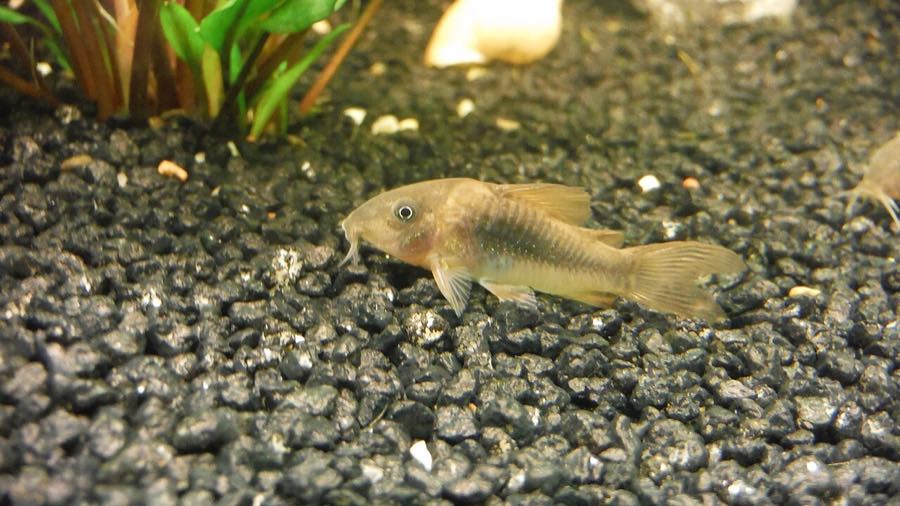
Bronze corydoras tank size
Choose a tank at least 75 cm long for your group. Seriously Fish recommends an 80 cm tank base, giving you a little more room for shelter and open foraging space.Choose a tank at least 30 in long for your group. Seriously Fish recommends an 31 in tank base, giving you a little more room for shelter and open foraging space.[1]
Use fine sand or smooth, rounded gravel and keep it clean. Leave shaded cover beside an open feeding area so you can watch the whole group eat.Use fine sand or smooth, rounded gravel and keep it clean. Leave shaded cover beside an open feeding area so you can watch the whole group eat.[1]
Bronze corydoras water parameters
Keep water stable within 22–27 °C, with pH 6.0–7.8 and hardness 2–15 dGH as a practical overlap with published care advice. Choose companions that share those conditions.Keep water stable within 72–81 °F, with pH 6.0–7.8 and hardness 2–15 dGH as a practical overlap with published care advice. Choose companions that share those conditions.[1]
Add bronze corydoras only after the biological filter is established. Test ammonia and nitrite and keep them undetectable through regular maintenance and sensible feeding, avoiding uncycled setups that put delicate bottom-dwellers at immediate risk.Add bronze corydoras only after the biological filter is established. Test ammonia and nitrite and keep them undetectable through regular maintenance and sensible feeding, avoiding uncycled setups that put delicate bottom-dwellers at immediate risk.[3]
Feeding bronze corydoras
Offer sinking granules or small sinking pellets twice daily, in portions the group eats in about two minutes. Place food where you can see the corydoras reach it before faster fish take everything.Offer sinking granules or small sinking pellets twice daily, in portions the group eats in about two minutes. Place food where you can see the corydoras reach it before faster fish take everything.[1][2]
Watch individual bellies and feeding activity, especially after introducing new tank mates. A catfish that explores the floor all day may still be receiving too little actual food.Watch individual bellies and feeding activity, especially after introducing new tank mates. A catfish that explores the floor all day may still be receiving too little actual food.[1][2]
Bronze corydoras behaviour
Keep six or more of the same species so they can forage and rest socially. Bronze corydoras are generally peaceful, and an albino bronze cory is a colour form rather than a different companion species.Keep six or more of the same species so they can forage and rest socially. Bronze corydoras are generally peaceful, and an albino bronze cory is a colour form rather than a different companion species.[1]
Expect typical adult length around 6 cm, with larger fish reaching 6.4 cm. Seriously Fish gives 7.5 cm standard length, so leave room for robust adults rather than planning around small shop fish.Expect typical adult length around 2 in, with larger fish reaching 2.5 in. Seriously Fish gives 3 in standard length, so leave room for robust adults rather than planning around small shop fish.[1]
Bronze corydoras can live for multiple years in a home aquarium when maintained well. Practical Fishkeeping published a keeper report of an eleven-year-old bronze corydoras, highlighting the potential lifespan of settled captive individuals.Bronze corydoras can live for multiple years in a home aquarium when maintained well. Practical Fishkeeping published a keeper report of an eleven-year-old bronze corydoras, highlighting the potential lifespan of settled captive individuals.[9]
Bronze corydoras tank mates
Neon tetrasNeon tetras and and glowlight tetrasglowlight tetras are possible companions in a peaceful planted community. Their midwater swimming leaves the corydoras room below, provided the aquarium is long enough for both complete groups. are possible companions in a peaceful planted community. Their midwater swimming leaves the corydoras room below, provided the aquarium is long enough for both complete groups.[1][2]
Harlequin rasborasHarlequin rasboras offer another shoaling choice, while offer another shoaling choice, while guppiesguppies can work when your water is sufficiently mineral-rich for them. Compare the shared water conditions and leave enough space for each group before choosing. can work when your water is sufficiently mineral-rich for them. Compare the shared water conditions and leave enough space for each group before choosing.[1]
Avoid Avoid oscarsoscars, which are predatory toward smaller fish, and , which are predatory toward smaller fish, and Jack DempseysJack Dempseys, whose territorial behaviour can turn the bottom into contested space. , whose territorial behaviour can turn the bottom into contested space. Pea puffersPea puffers are also unsuitable for a quiet cory community because they can harass and nip other fish. are also unsuitable for a quiet cory community because they can harass and nip other fish.[6][7][8]
Usually fine together
- African butterfly cichlid
- African clawed frog
- Agassiz's cory
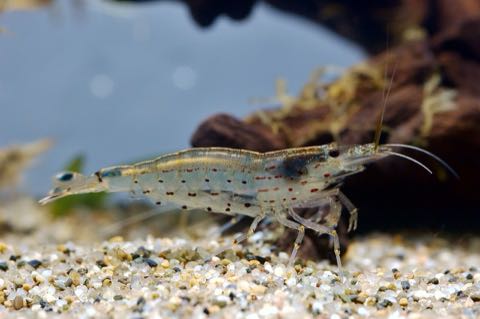 Amano shrimp
- American flagfish
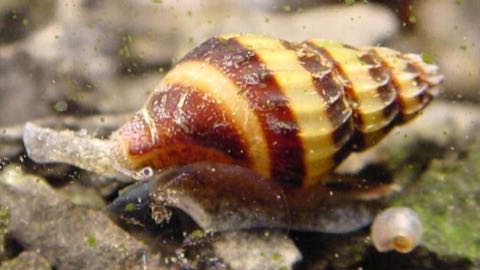 Assassin snail
- Banded gourami
- Bandit cory
- Banjo catfish
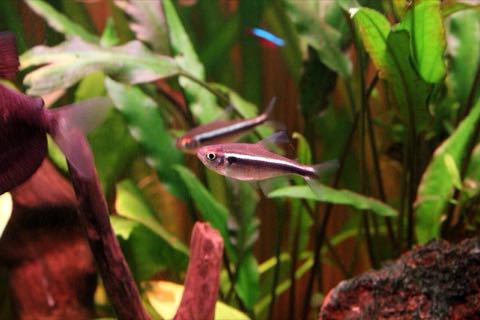 Black neon tetra
- Black phantom tetra
- Black ruby barb
Avoid with
- African knifefish
African knifefish may eat Bronze coryAfrican knifefish may eat Bronze cory
- African pike
African pike may eat Bronze coryAfrican pike may eat Bronze cory
- Alligator gar
Alligator gar may eat Bronze coryAlligator gar may eat Bronze cory
- Antenna ray
Antenna ray may eat Bronze coryAntenna ray may eat Bronze cory
- Arapaima
Arapaima may eat Bronze coryArapaima may eat Bronze cory
- Asian arowana
Asian arowana may eat Bronze coryAsian arowana may eat Bronze cory
- Asian upside-down catfish
Asian upside down catfish may eat Bronze coryAsian upside down catfish may eat Bronze cory
- Australian pearl arowana
Australian pearl arowana may eat Bronze coryAustralian pearl arowana may eat Bronze cory
- Barred bichir
Barred bichir may eat Bronze coryBarred bichir may eat Bronze cory
- Black bullhead
Black bullhead may eat Bronze coryBlack bullhead may eat Bronze cory
- Black diamond cichlid
Black diamond cichlid may eat Bronze coryBlack diamond cichlid may eat Bronze cory
- Brown bullhead
Brown bullhead may eat Bronze coryBrown bullhead may eat Bronze cory
Breeding bronze corydoras
Condition mature fish with a varied diet and give them clean, well-oxygenated water. Bronze corydoras lay adhesive eggs, often on aquarium glass or fine vegetation.Condition mature fish with a varied diet and give them clean, well-oxygenated water. Bronze corydoras lay adhesive eggs, often on aquarium glass or fine vegetation.[1]
Eggs usually hatch after three to four days. Once the fry finish their yolk reserves, offer very small live foods such as microworms or newly hatched brine shrimp.Eggs usually hatch after three to four days. Once the fry finish their yolk reserves, offer very small live foods such as microworms or newly hatched brine shrimp.[1]
Bronze corydoras health problems
Ich can produce white dots on the fins and body, along with rubbing or faster breathing. It is caused by a parasite carried into the aquarium, and spots may be less obvious on pale albino fish. Quarantine arrivals for 30 days and keep nets separate.Ich can produce white dots on the fins and body, along with rubbing or faster breathing. It is caused by a parasite carried into the aquarium, and spots may be less obvious on pale albino fish. Quarantine arrivals for 30 days and keep nets separate.[5]
Fin rot causes fraying that spreads along the fins, sometimes with redness. Bacteria take advantage of poor conditions or stress. Inspect the bottom for trapped waste, check the water and remove aggressive companions.Fin rot causes fraying that spreads along the fins, sometimes with redness. Bacteria take advantage of poor conditions or stress. Inspect the bottom for trapped waste, check the water and remove aggressive companions.[1][4]
Ammonia poisoning can cause distress and poor feeding even without obvious skin lesions. Waste, uneaten food or disrupted filtration can raise ammonia, and appearance alone cannot reveal the concentration. Prevent it by cycling first, testing regularly and preserving biological media.Ammonia poisoning can cause distress and poor feeding even without obvious skin lesions. Waste, uneaten food or disrupted filtration can raise ammonia, and appearance alone cannot reveal the concentration. Prevent it by cycling first, testing regularly and preserving biological media.[3]
Male or female?
Mature females are usually larger and broader than males, especially when carrying eggs. Looking down on a settled group can make the difference easier to see than viewing through the front glass.Mature females are usually larger and broader than males, especially when carrying eggs. Looking down on a settled group can make the difference easier to see than viewing through the front glass.[1]
Questions
How many Bronze Corydoras should be kept together?
Keep six or more of the same species. Bronze corydoras rely on a group to forage, rest and display normal social behaviour together.Keep six or more of the same species. Bronze corydoras rely on a group to forage, rest and display normal social behaviour together.[1]
What are the signs that a corydora is happy?
Active social foraging alongside group mates, rounded bellies and unfrayed fins point to healthy fish. Watch that they gather calmly to eat their sinking pellets without being pushed away by faster companions.Active social foraging alongside group mates, rounded bellies and unfrayed fins point to healthy fish. Watch that they gather calmly to eat their sinking pellets without being pushed away by faster companions.[1][2][4]
What triggers corydoras to lay eggs?
Conditioning mature breeders with a varied diet and providing clean, well-oxygenated water encourages spawning. They then deposit adhesive eggs across aquarium glass or fine foliage.Conditioning mature breeders with a varied diet and providing clean, well-oxygenated water encourages spawning. They then deposit adhesive eggs across aquarium glass or fine foliage.[1]
Do corydoras keep your tank clean?
No, corydoras do not replace aquarium maintenance. While they forage along the bottom, they require dedicated meals of sinking pellets twice daily, and uneaten waste must still be removed to protect water quality.No, corydoras do not replace aquarium maintenance. While they forage along the bottom, they require dedicated meals of sinking pellets twice daily, and uneaten waste must still be removed to protect water quality.[3][1][2][4]
What is the best fish to pair with cory catfish?
Peaceful upper-water fish like Peaceful upper-water fish like neon tetrasneon tetras, , glowlight tetrasglowlight tetras and and harlequin rasborasharlequin rasboras make suitable choices. They share water conditions and leave the bottom floor to the corydoras. make suitable choices. They share water conditions and leave the bottom floor to the corydoras.[1][2]
Sources
- Osteogaster aenea (Bronze Cory) — Seriously Fish. Accessed 2026-10-05.
- What to feed your fish — RSPCA. Accessed 2026-10-05.
- Ammonia in Aquatic Systems — UF/IFAS Extension. Accessed 2026-10-05.
- Frequently asked questions on treating sick fish — Practical Fishkeeping. Accessed 2026-10-05.
- Ichthyophthirius multifiliis (White Spot) Infections in Fish — UF/IFAS Extension. Accessed 2026-10-05.
- Astronotus ocellatus (Oscar) — Seriously Fish. Accessed 2026-10-05.
- Rocio octofasciata (Jack Dempsey) — Seriously Fish. Accessed 2026-10-05.
- Carinotetraodon travancoricus (Dwarf Puffer) — Seriously Fish. Accessed 2026-10-05.
- How long will my fish live? — Practical Fishkeeping. Accessed 2026-10-05.
Written from the sources above. Not yet reviewed by an aquarist.
Data used by the planner
| Temperature | 22–27 | AqAdvisor (aqadvisor.com), retrieved 2026-10-04 · low confidence |
|---|---|---|
| pH | 5.5–7.8 | AqAdvisor (aqadvisor.com), retrieved 2026-10-04; agrees with FishBase (fishbase.se), retrieved 2026-10-04 · medium confidence |
| Hardness (dGH) | 1–15 | AqAdvisor (aqadvisor.com), retrieved 2026-10-04 · low confidence |
| Origin | South America | curated-v0 (needs expert review) · low confidence |
| Beginner friendly | Yes | curated-v0 (needs expert review) · medium confidence |
| Care level | easy | curated-v0 (needs expert review) · medium confidence |
| Activity | moderate | curated-v0 (needs expert review) · medium confidence |
| Swimming level | bottom | curated-v0 (needs expert review) · medium confidence |
| Temperament | peaceful | curated-v0 (needs expert review) · medium confidence |
| Nips fins | No | curated-v0 (needs expert review) · medium confidence |
| Long fins | No | curated-v0 (needs expert review) · medium confidence |
| Territorial | No | curated-v0 (needs expert review) · medium confidence |
| Lives in groups | Yes | curated-v0 (needs expert review) · medium confidence |
| Minimum group | 6 | curated-v0 (needs expert review) · medium confidence |
| Diet | omnivore | curated-v0 (needs expert review) · medium confidence |
| Lifespan (years) | 3–6 | curated-v0 (needs expert review) · low confidence |
| Months to adult size | 12 | curated-v0 (needs expert review) · low confidence |
| Safe with plants | Yes | curated-v0 (needs expert review) · medium confidence |
| Minimum tank length | 75 | curated-v0 (needs expert review) · medium confidence |