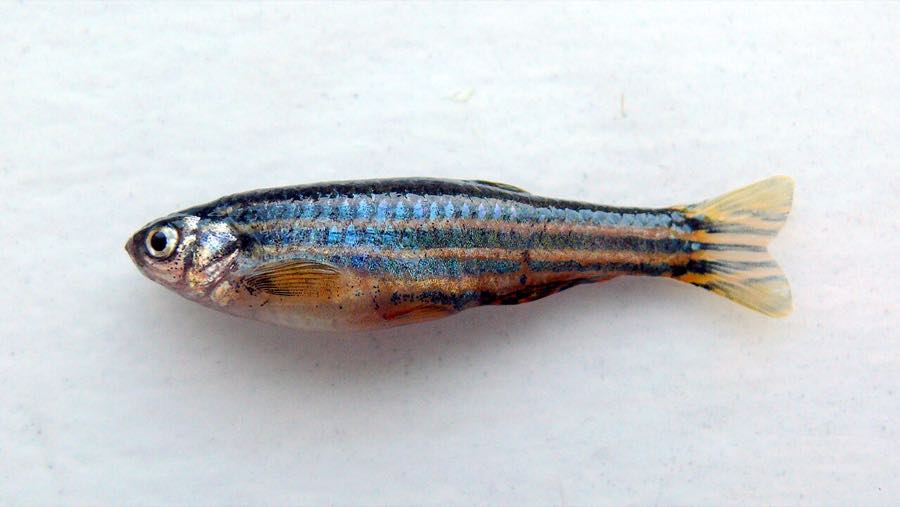
Zebra danio tank size
Choose a tank length of at least 75 cm for your starting shoal. Seriously Fish recommends an even longer tank length of 90 cm because these active surface swimmers need open horizontal swimming room to move together.Choose a tank length of at least 30 in for your starting shoal. Seriously Fish recommends an even longer tank length of 35 in because these active surface swimmers need open horizontal swimming room to move together.[1]
Add floating plants or branches to create shaded zones across the aquarium while leaving clear swimming space for feeding. Using a dark substrate can help their colours stand out vividly.Add floating plants or branches to create shaded zones across the aquarium while leaving clear swimming space for feeding. Using a dark substrate can help their colours stand out vividly.[1]
Zebra danio water parameters
Keep your water temperature steady within 18–24 °C, with a pH between 6.0 and 8.0 and a hardness of 5–15 dGH. Check a thermometer to see how much your room temperature drops overnight before deciding whether the tank can remain stable without a heater.Keep your water temperature steady within 64–75 °F, with a pH between 6.0 and 8.0 and a hardness of 5–15 dGH. Check a thermometer to see how much your room temperature drops overnight before deciding whether the tank can remain stable without a heater.[1]
Introduce the shoal only after the filter is fully cycled, maintaining zero detectable ammonia and nitrite. Even though zebra danios have a reputation for hardiness, exposure to ammonia still damages gill tissue and lowers resistance to common infections.Introduce the shoal only after the filter is fully cycled, maintaining zero detectable ammonia and nitrite. Even though zebra danios have a reputation for hardiness, exposure to ammonia still damages gill tissue and lowers resistance to common infections.[3][4]
Feeding zebra danios
Feed two small meals daily, offering flakes or fine granules in an amount the group completely finishes in about two minutes. You can rotate in small thawed daphnia, brine shrimp or bloodworm to provide dietary variety.Feed two small meals daily, offering flakes or fine granules in an amount the group completely finishes in about two minutes. You can rotate in small thawed daphnia, brine shrimp or bloodworm to provide dietary variety.[1][2]
Scatter each portion across the surface rather than dropping it in one spot. Rapid movement at feeding time makes it easy to overlook a fish that hangs back and misses out on food.Scatter each portion across the surface rather than dropping it in one spot. Rapid movement at feeding time makes it easy to overlook a fish that hangs back and misses out on food.[2][4]
Zebra danio behaviour
Keep at least six zebra danios together. Choosing eight to ten fish is worth doing when tank space allows, as Seriously Fish recommends larger shoals to encourage calmer behaviour and a more natural group display.Keep at least six zebra danios together. Choosing eight to ten fish is worth doing when tank space allows, as Seriously Fish recommends larger shoals to encourage calmer behaviour and a more natural group display.[1]
Adult zebra danios reach a typical adult length of about 4.5 cm, though larger individuals reach 5.1 cm. Practical Fishkeeping notes that small tropical fish like zebra danios commonly live between two and five years. In addition to the standard striped form, spotted leopard danios represent the same species, alongside golden and long-finned varieties.Adult zebra danios reach a typical adult length of about 1.8 in, though larger individuals reach 2 in. Practical Fishkeeping notes that small tropical fish like zebra danios commonly live between two and five years. In addition to the standard striped form, spotted leopard danios represent the same species, alongside golden and long-finned varieties.[1][6]
Zebra danio tank mates
Livebearers such as Livebearers such as platiesplaties and and guppiesguppies can share a setup if your water temperature and hardness suit all species. Provide adequate space and observe feeding carefully, as quick danios can easily outcompete slower fish for surface meals. can share a setup if your water temperature and hardness suit all species. Provide adequate space and observe feeding carefully, as quick danios can easily outcompete slower fish for surface meals.[1][2]
Bottom-dwelling shoals like Bottom-dwelling shoals like bronze corydorasbronze corydoras and and panda corydoraspanda corydoras are suitable companions under shared water conditions. Their calm habits on the substrate complement the fast-swimming shoal occupying the upper water layers. are suitable companions under shared water conditions. Their calm habits on the substrate complement the fast-swimming shoal occupying the upper water layers.[1][2]
Never house zebra danios with large predatory fish like Never house zebra danios with large predatory fish like oscarsoscars, which can swallow small fish whole. You should also avoid aggressive, territorial cichlids such as , which can swallow small fish whole. You should also avoid aggressive, territorial cichlids such as Jack DempseysJack Dempseys that can overwhelm a small peaceful shoal. that can overwhelm a small peaceful shoal.[7][8][9]
Do not keep zebra danios with Do not keep zebra danios with pea pufferspea puffers. These small puffers are unsuitable companions for a peaceful community setup because their persistent nipping and targeted harassment will stress and injure active schooling fish.. These small puffers are unsuitable companions for a peaceful community setup because their persistent nipping and targeted harassment will stress and injure active schooling fish.[7][8][9]
Usually fine together
- African clawed frog
- Agassiz's cory
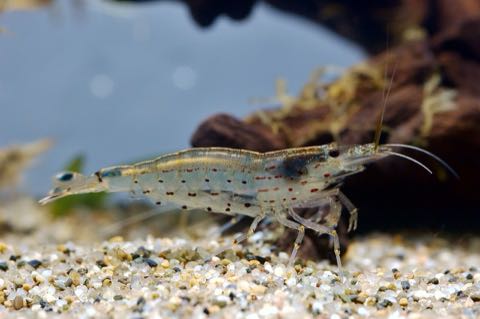 Amano shrimp
- American flagfish
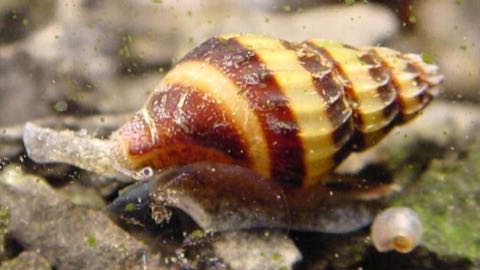 Assassin snail
- Banded gourami
- Bandit cory
- Banjo catfish
- Black phantom tetra
- Black ruby barb
- Blood parrot cichlid
- Bloodfin tetra
Avoid with
- Black kuhli loach
No shared temperature rangeNo shared temperature range
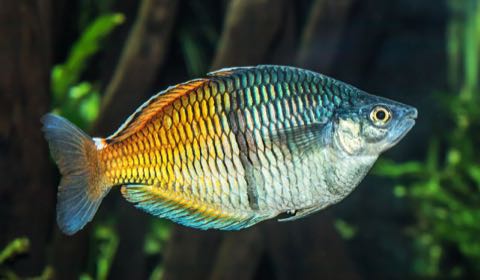 Boeseman rainbowfish
No shared temperature rangeNo shared temperature range
- Irian Jaya rainbowfish
No shared temperature rangeNo shared temperature range
- Julii cory
No shared temperature rangeNo shared temperature range
- Parkinson's rainbowfish
No shared temperature rangeNo shared temperature range
- Rusty cichlid
No shared temperature rangeNo shared temperature range
- Afra cichlid
No shared temperature rangeNo shared temperature range
- African knifefish
African knifefish may eat Zebra danioAfrican knifefish may eat Zebra danio
- African pike
No shared temperature rangeNo shared temperature range
- Alligator gar
Alligator gar may eat Zebra danioAlligator gar may eat Zebra danio
- Altum angelfish
No shared temperature rangeNo shared temperature range
- Antenna ray
Antenna ray may eat Zebra danioAntenna ray may eat Zebra danio
Breeding zebra danios
Zebra danios scatter non-adhesive eggs among plants and provide no parental care. Setting up a dedicated breeding aquarium lined with fine-leaved plants or a protective bottom mesh gives eggs a far better chance of hatching than an active community tank.Zebra danios scatter non-adhesive eggs among plants and provide no parental care. Setting up a dedicated breeding aquarium lined with fine-leaved plants or a protective bottom mesh gives eggs a far better chance of hatching than an active community tank.[1]
Culture tiny starter foods like infusoria or source liquid fry diets before the fry hatch. Once the young grow large enough to take larger particles, switch them onto newly hatched brine shrimp.Culture tiny starter foods like infusoria or source liquid fry diets before the fry hatch. Once the young grow large enough to take larger particles, switch them onto newly hatched brine shrimp.[1]
Zebra danio health problems
Ich produces visible white salt-like spots over the skin and fins, often accompanied by rubbing against surfaces and rapid breathing. The parasite travels on new fish or shared nets even if livestock looks healthy on arrival. Quarantine all newcomers for 30 days and dedicate separate equipment to each aquarium.Ich produces visible white salt-like spots over the skin and fins, often accompanied by rubbing against surfaces and rapid breathing. The parasite travels on new fish or shared nets even if livestock looks healthy on arrival. Quarantine all newcomers for 30 days and dedicate separate equipment to each aquarium.[5]
Fin rot causes the fin edges to fray, tear and progressively recede, occasionally showing red streaks along the damaged rays. Opportunistic bacteria take hold following shipping stress, physical injury or poor water quality. Test water parameters, rectify overdue maintenance and remove any aggressive tank mates that cause stress.Fin rot causes the fin edges to fray, tear and progressively recede, occasionally showing red streaks along the damaged rays. Opportunistic bacteria take hold following shipping stress, physical injury or poor water quality. Test water parameters, rectify overdue maintenance and remove any aggressive tank mates that cause stress.[4]
Neon tetra disease also infects zebra danios, producing dull pale muscle patches, erratic swimming, rapid respiration and isolation from the shoal. The microsporidian parasite spreads internally when fish ingest contaminated material. Because bacterial infections can mimic these symptoms, quarantine new fish, isolate sick individuals and remove dead fish immediately.Neon tetra disease also infects zebra danios, producing dull pale muscle patches, erratic swimming, rapid respiration and isolation from the shoal. The microsporidian parasite spreads internally when fish ingest contaminated material. Because bacterial infections can mimic these symptoms, quarantine new fish, isolate sick individuals and remove dead fish immediately.[1]
Male or female?
Telling male and female zebra danios apart relies on observing body shape and coloration. Mature females tend to be slightly larger and distinctly rounder through the abdomen, while males maintain a slimmer profile and often show noticeably more colourful stripes.Telling male and female zebra danios apart relies on observing body shape and coloration. Mature females tend to be slightly larger and distinctly rounder through the abdomen, while males maintain a slimmer profile and often show noticeably more colourful stripes.[1]
These physical distinctions become much clearer when breeding activity approaches. Females visibly fill out and swell with eggs, while active males intensify their body colours to display vivid patterning as they court prospective mates around the tank.These physical distinctions become much clearer when breeding activity approaches. Females visibly fill out and swell with eggs, while active males intensify their body colours to display vivid patterning as they court prospective mates around the tank.[1]
Questions
How big of a tank do zebra danios need?
Provide a tank length of at least 75 cm for a starting group. Seriously Fish recommends an expanded tank length of 90 cm to give these active horizontal swimmers adequate room to move naturally.Provide a tank length of at least 30 in for a starting group. Seriously Fish recommends an expanded tank length of 35 in to give these active horizontal swimmers adequate room to move naturally.[1]
Do zebra danios need a heater?
They do not always need a heater if the room stays within 18–24 °C. Test room temperatures with a thermometer overnight, because significant drops will require a heater to prevent dangerous temperature swings.They do not always need a heater if the room stays within 64–75 °F. Test room temperatures with a thermometer overnight, because significant drops will require a heater to prevent dangerous temperature swings.[1]
How long do zebra danios live?
Zebra danios commonly live for two to five years in home aquariums according to Practical Fishkeeping. Providing clean water free of ammonia and nitrite supports their full natural lifespan.Zebra danios commonly live for two to five years in home aquariums according to Practical Fishkeeping. Providing clean water free of ammonia and nitrite supports their full natural lifespan.[3][4][6]
How often should I feed zebra danios?
Feed them twice daily with flake or fine granules that the shoal consumes within about two minutes. Spread the food across the surface so passive fish do not get crowded out.Feed them twice daily with flake or fine granules that the shoal consumes within about two minutes. Spread the food across the surface so passive fish do not get crowded out.[1][2][4]
Why is one zebra danio away from the group?
Separation from the shoal can indicate severe stress or illnesses such as neon tetra disease. Watch for pale body patches or rapid breathing, and isolate the individual to prevent disease transmission.Separation from the shoal can indicate severe stress or illnesses such as neon tetra disease. Watch for pale body patches or rapid breathing, and isolate the individual to prevent disease transmission.[1]
Sources
- Brachydanio rerio (Zebra 'Danio') — Seriously Fish. Accessed 2026-10-05.
- What to feed your fish — RSPCA. Accessed 2026-10-05.
- Ammonia in Aquatic Systems — UF/IFAS Extension. Accessed 2026-10-05.
- Frequently asked questions on treating sick fish — Practical Fishkeeping. Accessed 2026-10-05.
- Ichthyophthirius multifiliis (White Spot) Infections in Fish — UF/IFAS Extension. Accessed 2026-10-05.
- How Long Should My Fish Live? — Practical Fishkeeping. Accessed 2026-10-05.
- Astronotus ocellatus (Oscar) — Seriously Fish. Accessed 2026-10-05.
- Rocio octofasciata (Jack Dempsey) — Seriously Fish. Accessed 2026-10-05.
- Carinotetraodon travancoricus (Dwarf Puffer) — Seriously Fish. Accessed 2026-10-05.
Written from the sources above. Not yet reviewed by an aquarist.
Data used by the planner
| Temperature | 18–24 | AqAdvisor (aqadvisor.com), retrieved 2026-10-04; agrees with FishBase (fishbase.se), retrieved 2026-10-04 · medium confidence |
|---|---|---|
| pH | 6–8 | AqAdvisor (aqadvisor.com), retrieved 2026-10-04; agrees with FishBase (fishbase.se), retrieved 2026-10-04 · medium confidence |
| Hardness (dGH) | 5–15 | AqAdvisor (aqadvisor.com), retrieved 2026-10-04 · low confidence |
| Origin | Asia or captive aquarium strains | curated-v0 (needs expert review) · low confidence |
| Beginner friendly | Yes | curated-v0 (needs expert review) · medium confidence |
| Care level | easy | curated-v0 (needs expert review) · medium confidence |
| Activity | active | curated-v0 (needs expert review) · medium confidence |
| Swimming level | top | curated-v0 (needs expert review) · medium confidence |
| Temperament | peaceful | curated-v0 (needs expert review) · medium confidence |
| Nips fins | No | curated-v0 (needs expert review) · medium confidence |
| Long fins | No | curated-v0 (needs expert review) · medium confidence |
| Territorial | No | curated-v0 (needs expert review) · medium confidence |
| Lives in groups | Yes | curated-v0 (needs expert review) · medium confidence |
| Minimum group | 6 | curated-v0 (needs expert review) · medium confidence |
| Diet | omnivore | curated-v0 (needs expert review) · medium confidence |
| Lifespan (years) | 3–6 | curated-v0 (needs expert review); agrees with FishBase (fishbase.se), retrieved 2026-10-04 · medium confidence |
| Months to adult size | 12 | curated-v0 (needs expert review) · low confidence |
| Safe with plants | Yes | curated-v0 (needs expert review) · medium confidence |
| Minimum tank length | 75 | curated-v0 (needs expert review) · medium confidence |