Black kuhli loach tank size
Provide a minimum tank length of 60 cm with ample sand floor for a group of loaches. For the smallest loach species, OATA recommends an aquarium of at least 80 L. A soft sand bed is necessary because digging and burying are normal habits; coarse gravel can damage the fish and inhibit natural feeding.Provide a minimum tank length of 24 in with ample sand floor for a group of loaches. For the smallest loach species, OATA recommends an aquarium of at least 21.1 gal. A soft sand bed is necessary because digging and burying are normal habits; coarse gravel can damage the fish and inhibit natural feeding.[1][2]
Place wood and dried leaves to create shady retreats across the substrate. Dim lighting alongside shade-tolerant plants like Java fern, moss, or Cryptocoryne provides cover. Choose gentle filtration with some surface movement, as strong current is unnecessary for this calm-water species.Place wood and dried leaves to create shady retreats across the substrate. Dim lighting alongside shade-tolerant plants like Java fern, moss, or Cryptocoryne provides cover. Choose gentle filtration with some surface movement, as strong current is unnecessary for this calm-water species.[1]
Cover filter intakes so small loaches cannot enter, and close gaps in the lid because they can jump, especially after introduction. Handle them carefully because their movable spines under the eyes may catch in nets.Cover filter intakes so small loaches cannot enter, and close gaps in the lid because they can jump, especially after introduction. Handle them carefully because their movable spines under the eyes may catch in nets.[1][2]
Black kuhli loach water parameters
Maintain a water temperature of 25–26 °C, a pH of 6.4–7.0, and a general hardness of 1–8 dGH. These numbers represent the overlapping parameters established between captive care records and species observations.Maintain a water temperature of 77–79 °F, a pH of 6.4–7.0, and a general hardness of 1–8 dGH. These numbers represent the overlapping parameters established between captive care records and species observations.[1]
Keep ammonia and nitrite undetectable, check tests weekly, and change a quarter of the water weekly with conditioned water. Preserve the biological filter by rinsing its media in removed aquarium water rather than chlorinated tap water.Keep ammonia and nitrite undetectable, check tests weekly, and change a quarter of the water weekly with conditioned water. Preserve the biological filter by rinsing its media in removed aquarium water rather than chlorinated tap water.[2]
Feeding black kuhli loachs
Feed once a day with only the amount consumed in a few minutes. Use sinking pellets or granules that reach the loaches on the bottom. Observe whether the bottom dwellers are feeding, because uneaten food increases toxic waste as it decomposes in the aquarium.Feed once a day with only the amount consumed in a few minutes. Use sinking pellets or granules that reach the loaches on the bottom. Observe whether the bottom dwellers are feeding, because uneaten food increases toxic waste as it decomposes in the aquarium.[2]
Vary sinking food with thawed or live daphnia, Artemia, or bloodworms, as this loach primarily searches the substrate for small invertebrates. It extracts small animals while sifting mouthfuls of substrate, but it still needs its own food rather than being expected to clean the aquarium.Vary sinking food with thawed or live daphnia, Artemia, or bloodworms, as this loach primarily searches the substrate for small invertebrates. It extracts small animals while sifting mouthfuls of substrate, but it still needs its own food rather than being expected to clean the aquarium.[1][2]
Black kuhli loach behaviour
Keep at least six black kuhli loaches together; they often rest closely packed into a shared shelter. Natural sheltering and burying do not on their own prove illness, so judge changes alongside appetite, body condition, and breathing.Keep at least six black kuhli loaches together; they often rest closely packed into a shared shelter. Natural sheltering and burying do not on their own prove illness, so judge changes alongside appetite, body condition, and breathing.[1][2]
This species reaches an adult length of approximately 7–8 cm, while the species source records 8 cm standard length. Plain brown to reddish brown fish are sold as black, chocolate, or cinnamon kuhli loaches and Java loaches, though some populations are paler or pinkish. This loach is peaceful with other fish but can eat eggs and fry.This species reaches an adult length of approximately 3–3 in, while the species source records 3 in standard length. Plain brown to reddish brown fish are sold as black, chocolate, or cinnamon kuhli loaches and Java loaches, though some populations are paler or pinkish. This loach is peaceful with other fish but can eat eggs and fry.[1]
Loaches may live several years in mature aquariums; the opened sources do not establish a precise Pangio oblonga lifespan. Home breeding is rarely documented; one account found partly grown fry without observing spawning, so a repeatable home breeding routine remains unconfirmed.Loaches may live several years in mature aquariums; the opened sources do not establish a precise Pangio oblonga lifespan. Home breeding is rarely documented; one account found partly grown fry without observing spawning, so a repeatable home breeding routine remains unconfirmed.[2][1]
Black kuhli loach tank mates
Small peaceful companions are recommended rather than large boisterous fish. Small peaceful companions are recommended rather than large boisterous fish. Chili rasborasChili rasboras and and sparkling gouramissparkling gouramis can work with black kuhlis if you confirm their water overlap matches 25–26 °C. Provide them with their own shelter, calm water, plant cover, and ensure sinking food reaches the bottom. can work with black kuhlis if you confirm their water overlap matches 77–79 °F. Provide them with their own shelter, calm water, plant cover, and ensure sinking food reaches the bottom.[1][2]
Harlequin rasborasHarlequin rasboras can work with them as a quiet shoal above the substrate when satisfying each species' water needs. Concurrently, can work with them as a quiet shoal above the substrate when satisfying each species' water needs. Concurrently, kuhli loacheskuhli loaches are another peaceful Pangio option when floor space and food cover both groups. These named choices apply source criteria rather than a documented pair trial, and each shoal needs its own group rather than counting unlike species together. are another peaceful Pangio option when floor space and food cover both groups. These named choices apply source criteria rather than a documented pair trial, and each shoal needs its own group rather than counting unlike species together.[1][2]
Avoid Avoid oscarsoscars. Oscar communities require companions too large to swallow, and their predation on smaller fish makes a slender loach unsafe. A loach of 7–8 cm adult length does not meet that size criterion, and hiding places cannot remove the predator-prey mismatch.. Oscar communities require companions too large to swallow, and their predation on smaller fish makes a slender loach unsafe. A loach of 3–3 in adult length does not meet that size criterion, and hiding places cannot remove the predator-prey mismatch.[5][1]
Avoid Avoid Jack DempseysJack Dempseys. Jack Dempseys become more aggressive with sexual maturity and defend pairs against other fish. Adult predation and hostility are poor matches for a peaceful bottom dweller, and buying a juvenile does not remove its adult husbandry requirements.. Jack Dempseys become more aggressive with sexual maturity and defend pairs against other fish. Adult predation and hostility are poor matches for a peaceful bottom dweller, and buying a juvenile does not remove its adult husbandry requirements.[6]
Avoid Avoid pea pufferspea puffers. Pea puffers both nip slow-moving fish and compete poorly with fast feeders. Their fin nipping makes community combinations risky, and these feeding and fin-damage problems make them unsuitable additions to this quiet loach setup.. Pea puffers both nip slow-moving fish and compete poorly with fast feeders. Their fin nipping makes community combinations risky, and these feeding and fin-damage problems make them unsuitable additions to this quiet loach setup.[7]
Usually fine together
None recorded.
Avoid with
- Acei cichlid
No shared pH rangeNo shared pH range
- African clawed frog
No shared temperature rangeNo shared temperature range
- Ajamaru rainbowfish
No shared pH rangeNo shared pH range
- Angfa rainbowfish
No shared pH rangeNo shared pH range
- Arfak rainbowfish
No shared pH rangeNo shared pH range
- Batanta rainbowfish
No shared pH rangeNo shared pH range
- Blue acara
No shared temperature rangeNo shared temperature range
- Blue rainbowfish
No shared pH rangeNo shared pH range
- Brevis shell dweller
No shared pH rangeNo shared pH range
- Caudopunctatus
No shared pH rangeNo shared pH range
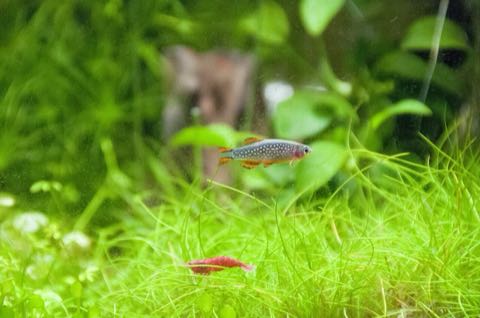 Celestial pearl danio
No shared temperature rangeNo shared temperature range
- Corona rainbowfish
No shared pH rangeNo shared pH range
Black kuhli loach health problems
Ich is caused by the parasite Ichthyophthirius multifiliis; white grains on skin or fins, rubbing, and faster breathing are possible signs. Quarantine incoming fish for 30 days. Use separate nets and siphons to prevent moving sticky ich cysts between aquariums, and seek prompt diagnosis if signs appear.Ich is caused by the parasite Ichthyophthirius multifiliis; white grains on skin or fins, rubbing, and faster breathing are possible signs. Quarantine incoming fish for 30 days. Use separate nets and siphons to prevent moving sticky ich cysts between aquariums, and seek prompt diagnosis if signs appear.[3]
Bacterial fin disease can show ragged or blood-streaked fins, ulcers, or sores, and stress makes fish more vulnerable to infection. Reduce bacterial disease risk by maintaining good water quality and removing sources of injury or aggression. Observe symptoms carefully before choosing treatment.Bacterial fin disease can show ragged or blood-streaked fins, ulcers, or sores, and stress makes fish more vulnerable to infection. Reduce bacterial disease risk by maintaining good water quality and removing sources of injury or aggression. Observe symptoms carefully before choosing treatment.[4][2]
Fungal cotton-wool disease produces pale fluffy growth over damaged tissue. Injury, rough handling, and poor conditions let fungi overcome the protective mucus. Prevent fungal entry by handling fish gently, avoiding sharp decor, and maintaining water quality; fluffy growth needs prompt assessment rather than guessing medication.Fungal cotton-wool disease produces pale fluffy growth over damaged tissue. Injury, rough handling, and poor conditions let fungi overcome the protective mucus. Prevent fungal entry by handling fish gently, avoiding sharp decor, and maintaining water quality; fluffy growth needs prompt assessment rather than guessing medication.[4]
Loaches may be intolerant of some medications because of their reduced scales. Rather than guessing dosages or treatments, check species suitability with a fish-health professional before treatment, and observe symptoms before taking action.Loaches may be intolerant of some medications because of their reduced scales. Rather than guessing dosages or treatments, check species suitability with a fish-health professional before treatment, and observe symptoms before taking action.[2][4]
Male or female?
Sex differences describe mature animals. Mature females tend to be fuller and slightly larger. In contrast, males have a thickened branched first pectoral-fin ray. Body colour alone is not a stated sexing character, so use body fullness and pectoral-fin structure as complementary cues.Sex differences describe mature animals. Mature females tend to be fuller and slightly larger. In contrast, males have a thickened branched first pectoral-fin ray. Body colour alone is not a stated sexing character, so use body fullness and pectoral-fin structure as complementary cues.[1]
Questions
Are black kuhli loaches easy to care for?
They have specific care requirements. Maintain a tank length of at least 60 cm with soft sand, keep water at 25–26 °C with weekly water changes, feed sinking foods daily, and house a group of at least six.They have specific care requirements. Maintain a tank length of at least 24 in with soft sand, keep water at 77–79 °F with weekly water changes, feed sinking foods daily, and house a group of at least six.[1][2]
How many black kuhli loaches should be together?
Keep at least six black kuhli loaches together. They often rest closely packed into a shared shelter, so providing a proper group satisfies their normal social habits.Keep at least six black kuhli loaches together. They often rest closely packed into a shared shelter, so providing a proper group satisfies their normal social habits.[1]
How to tell if a kuhli loach is happy?
Evaluate health by monitoring appetite, body condition, and breathing. Natural sheltering in dark retreats and burying in soft sand are normal behaviours that do not on their own indicate illness.Evaluate health by monitoring appetite, body condition, and breathing. Natural sheltering in dark retreats and burying in soft sand are normal behaviours that do not on their own indicate illness.[1][2]
Do black kuhli loaches clean a tank?
No, they do not clean an aquarium. Although they sift substrate for small invertebrates, they require their own sinking pellets and live or thawed foods, while uneaten food increases toxic waste.No, they do not clean an aquarium. Although they sift substrate for small invertebrates, they require their own sinking pellets and live or thawed foods, while uneaten food increases toxic waste.[1][2]
Will kuhli loach jump out of a tank?
Yes, they can jump, especially during the period after introduction. Close all gaps in the aquarium lid and cover filter intakes so loaches cannot escape or enter equipment.Yes, they can jump, especially during the period after introduction. Close all gaps in the aquarium lid and cover filter intakes so loaches cannot escape or enter equipment.[1]
What pairs well with kuhli loaches?
Small peaceful species work under specific conditions. Small peaceful species work under specific conditions. Chili rasborasChili rasboras and and sparkling gouramissparkling gouramis fit if their water overlap matches 25–26 °C, while fit if their water overlap matches 77–79 °F, while harlequin rasborasharlequin rasboras and and kuhli loacheskuhli loaches can work when floor area and food accommodate both. can work when floor area and food accommodate both.[1][2]
Sources
- Pangio oblonga (Black Kuhli Loach) — Seriously Fish. Accessed 2026-10-05.
- How to look after loaches — Ornamental Aquatic Trade Association. Accessed 2026-10-05.
- Ichthyophthirius multifiliis (White Spot) Infections in Fish — UF/IFAS Extension. Accessed 2026-10-05.
- Frequently asked questions on treating sick fish — Practical Fishkeeping. Accessed 2026-10-05.
- Astronotus ocellatus (Oscar) — Seriously Fish. Accessed 2026-10-05.
- Rocio octofasciata (Jack Dempsey) — Seriously Fish. Accessed 2026-10-05.
- Carinotetraodon travancoricus (Dwarf Puffer) — Seriously Fish. Accessed 2026-10-05.
Written from the sources above. Not yet reviewed by an aquarist.
Data used by the planner
| Temperature | 25–26 | AqAdvisor (aqadvisor.com), retrieved 2026-10-04 · low confidence |
|---|---|---|
| pH | 6.4–7 | AqAdvisor (aqadvisor.com), retrieved 2026-10-04 · medium confidence |
| Hardness (dGH) | 1–15 | AqAdvisor (aqadvisor.com), retrieved 2026-10-04 · medium confidence |
| Origin | Southeast Asia (Thailand, Malaysia, Sumatra, Java, Borneo) | curated-v0 (needs expert review) · low confidence |
| Beginner friendly | Yes | curated-v0 (needs expert review) · medium confidence |
| Care level | easy | curated-v0 (needs expert review) · medium confidence |
| Activity | moderate | curated-v0 (needs expert review) · medium confidence |
| Swimming level | bottom | curated-v0 (needs expert review) · medium confidence |
| Temperament | peaceful | curated-v0 (needs expert review) · medium confidence |
| Nips fins | No | curated-v0 (needs expert review) · medium confidence |
| Long fins | No | curated-v0 (needs expert review) · medium confidence |
| Territorial | No | curated-v0 (needs expert review) · medium confidence |
| Lives in groups | Yes | curated-v0 (needs expert review) · medium confidence |
| Minimum group | 6 | curated-v0 (needs expert review) · medium confidence |
| Diet | omnivore | curated-v0 (needs expert review) · medium confidence |
| Lifespan (years) | 8–12 | curated-v0 (needs expert review) · low confidence |
| Months to adult size | 12 | curated-v0 (needs expert review) · low confidence |
| Safe with plants | Yes | curated-v0 (needs expert review) · medium confidence |