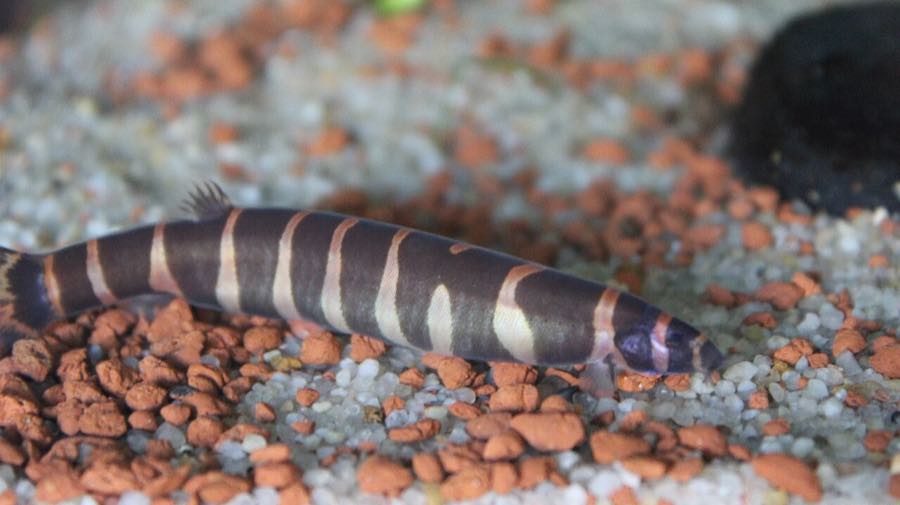
Kuhli loach tank size
Provide a minimum tank length of 60 cm. Use soft sand to give the group room to burrow without coarse gravel injuries. OATA recommends at least 80 L for a shoal of the smallest loaches, noting that extra water volume improves stability.Provide a minimum tank length of 24 in. Use soft sand to give the group room to burrow without coarse gravel injuries. OATA recommends at least 21.1 gal for a shoal of the smallest loaches, noting that extra water volume improves stability.[1][2]
Add roots, shade and leaf litter to provide hiding cover, as subdued lighting suits these secretive fish. Fit gentle filtration with surface movement rather than strong flow.Add roots, shade and leaf litter to provide hiding cover, as subdued lighting suits these secretive fish. Fit gentle filtration with surface movement rather than strong flow.[1]
Guard filter intakes against slender juveniles. In addition, fit a secure cover across the aquarium because newly introduced loaches can escape.Guard filter intakes against slender juveniles. In addition, fit a secure cover across the aquarium because newly introduced loaches can escape.[1]
Kuhli loach water parameters
The sourced overlapping care range is 24–26 °C, pH 6.0–7.0 and 5–8 dGH. Use a mature biological filter and confirm zero ammonia and nitrite before introduction.The sourced overlapping care range is 75–79 °F, pH 6.0–7.0 and 5–8 dGH. Use a mature biological filter and confirm zero ammonia and nitrite before introduction.[1][2]
Test water weekly and replace roughly one quarter weekly using conditioned replacement water. Sourced ranges do not provide evidence that other conditions are universally safe or that osmotic stress is absent.Test water weekly and replace roughly one quarter weekly using conditioned replacement water. Sourced ranges do not provide evidence that other conditions are universally safe or that osmotic stress is absent.[2][1]
Feeding kuhli loaches
Offer sinking prepared food with thawed or live daphnia, brine shrimp or bloodworm for variety. These loaches sift for tiny animal foods and accept sinking foods, but they do not replace waste removal or water changes.Offer sinking prepared food with thawed or live daphnia, brine shrimp or bloodworm for variety. These loaches sift for tiny animal foods and accept sinking foods, but they do not replace waste removal or water changes.[1][2]
Feed once a day, giving only a quantity eaten within a few minutes. Observe bottom feeding rather than assuming leftovers are adequate, and remove excess food because decomposing leftovers worsen water quality.Feed once a day, giving only a quantity eaten within a few minutes. Observe bottom feeding rather than assuming leftovers are adequate, and remove excess food because decomposing leftovers worsen water quality.[1][2]
Kuhli loach behaviour
Keep at least six kuhli loaches; they gather together inside shared hiding places despite not swimming in a tight midwater school. Trade kuhli loaches are peaceful bottom foragers, although eggs and tiny fry can be eaten.Keep at least six kuhli loaches; they gather together inside shared hiding places despite not swimming in a tight midwater school. Trade kuhli loaches are peaceful bottom foragers, although eggs and tiny fry can be eaten.[1]
Adult length is roughly 10 cm, with Seriously Fish measuring 10 cm standard length for the common trade species. Practical Fishkeeping reports an individual kuhli loach reaching 17 years; this is an exceptional report, not a typical lifespan promise.Adult length is roughly 4 in, with Seriously Fish measuring 4 in standard length for the common trade species. Practical Fishkeeping reports an individual kuhli loach reaching 17 years; this is an exceptional report, not a typical lifespan promise.[1][5]
Most striped kuhli loaches in trade may be Pangio semicincta or related species rather than true Pangio kuhlii; the latter is associated with Java. Dark bands over a yellow-orange body vary among individuals and can break up with age; band pattern alone is not reliable species identification.Most striped kuhli loaches in trade may be Pangio semicincta or related species rather than true Pangio kuhlii; the latter is associated with Java. Dark bands over a yellow-orange body vary among individuals and can break up with age; band pattern alone is not reliable species identification.[1]
Kuhli loach tank mates
Harlequin rasborasHarlequin rasboras can occupy the open water; keep their own full group and use the shared 24–25 °C range. can occupy the open water; keep their own full group and use the shared 75–77 °F range. Ember tetrasEmber tetras are a peaceful midwater option if the tank supports their group as well as the bottom-dwelling loaches. are a peaceful midwater option if the tank supports their group as well as the bottom-dwelling loaches.[1][10][12]
Honey gouramisHoney gouramis are compatible in a quiet planted layout; make sure these slow feeders and the loaches both get food. are compatible in a quiet planted layout; make sure these slow feeders and the loaches both get food. Chili rasborasChili rasboras are a conditional choice for a quiet planted tank where tiny mouths get food and each species has appropriate water. are a conditional choice for a quiet planted tank where tiny mouths get food and each species has appropriate water.[1][11][9]
Avoid Avoid oscarsoscars: their predatory feeding puts small or slender fish at risk.: their predatory feeding puts small or slender fish at risk.[6]
Avoid Avoid Jack DempseysJack Dempseys: mature territorial cichlids can harass smaller peaceful fish. Avoid : mature territorial cichlids can harass smaller peaceful fish. Avoid pea pufferspea puffers: their nipping makes this calm community pairing unsuitable.: their nipping makes this calm community pairing unsuitable.[7][8]
Usually fine together
- African butterfly cichlid
- Agassiz's cory
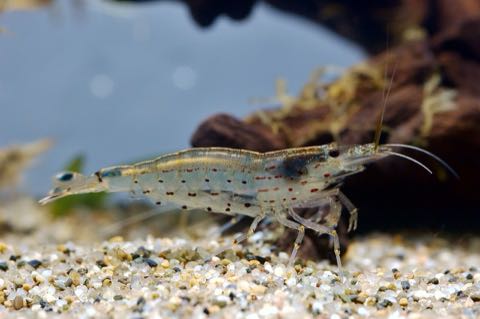 Amano shrimp
- American flagfish
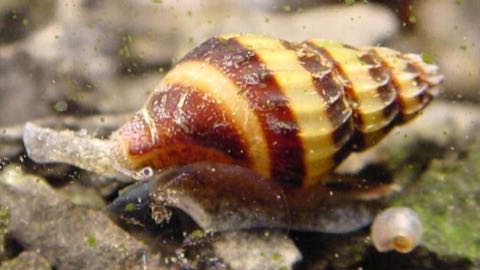 Assassin snail
- Banded gourami
- Bandit cory
- Banjo catfish
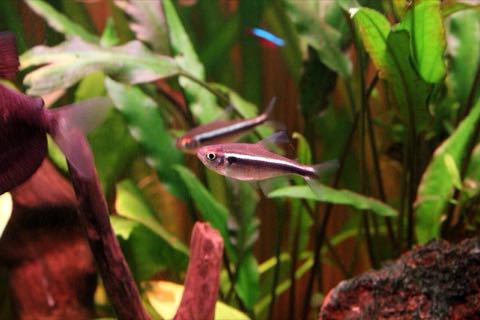 Black neon tetra
- Black phantom tetra
- Black ruby barb
- Bleeding heart tetra
Avoid with
- Alligator gar
Alligator gar may eat Kuhli loachAlligator gar may eat Kuhli loach
- Antenna ray
Antenna ray may eat Kuhli loachAntenna ray may eat Kuhli loach
- Arapaima
Arapaima may eat Kuhli loachArapaima may eat Kuhli loach
- Asian arowana
Asian arowana may eat Kuhli loachAsian arowana may eat Kuhli loach
- Australian pearl arowana
Australian pearl arowana may eat Kuhli loachAustralian pearl arowana may eat Kuhli loach
- Barred bichir
Barred bichir may eat Kuhli loachBarred bichir may eat Kuhli loach
- Brown bullhead
Brown bullhead may eat Kuhli loachBrown bullhead may eat Kuhli loach
- Bullseye snakehead
Bullseye snakehead may eat Kuhli loachBullseye snakehead may eat Kuhli loach
- Butterfly peacock bass
Butterfly peacock bass may eat Kuhli loachButterfly peacock bass may eat Kuhli loach
- Channel catfish
No shared temperature rangeNo shared temperature range
- Clown knifefish
Clown knifefish may eat Kuhli loachClown knifefish may eat Kuhli loach
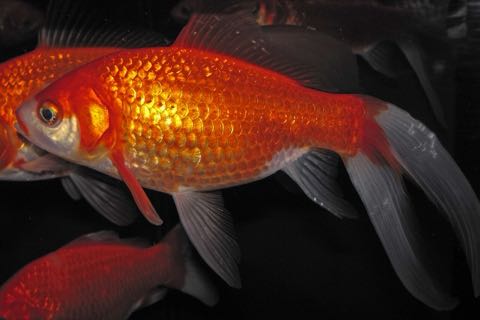 Common goldfish
No shared temperature rangeNo shared temperature range
Breeding kuhli loaches
Home spawning is uncommon and published reports are incomplete; do not present a reliable breeding recipe.Home spawning is uncommon and published reports are incomplete; do not present a reliable breeding recipe.[1][2]
Kuhli loach health problems
Ich is a freshwater parasite infection: salt-like white spots, rubbing, reduced appetite and gill irritation are possible signs; appearance alone does not confirm diagnosis. A 30-day quarantine for arrivals and separate or disinfected nets help prevent introduction of ich.Ich is a freshwater parasite infection: salt-like white spots, rubbing, reduced appetite and gill irritation are possible signs; appearance alone does not confirm diagnosis. A 30-day quarantine for arrivals and separate or disinfected nets help prevent introduction of ich.[3]
Fin rot can cause fraying and red streaks followed by shrinking fins; bacterial disease is encouraged by poor conditions and stress. Prevent avoidable fin rot by maintaining water quality and removing sources of injury or harassment; seek assessment if fins deteriorate.Fin rot can cause fraying and red streaks followed by shrinking fins; bacterial disease is encouraged by poor conditions and stress. Prevent avoidable fin rot by maintaining water quality and removing sources of injury or harassment; seek assessment if fins deteriorate.[4]
Fungal infection can appear as grey-white cottony growth on damaged skin; injury and environmental stress weaken the protective mucus. Smooth furnishings, gentle handling and good water quality reduce injuries that allow fungus to establish; cottony growth warrants prompt advice.Fungal infection can appear as grey-white cottony growth on damaged skin; injury and environmental stress weaken the protective mucus. Smooth furnishings, gentle handling and good water quality reduce injuries that allow fungus to establish; cottony growth warrants prompt advice.[4]
Male or female?
Mature females are generally fuller and somewhat larger; adult males have a thickened, branched leading pectoral ray.Mature females are generally fuller and somewhat larger; adult males have a thickened, branched leading pectoral ray.[1]
Juvenile appearance is less informative than mature body and fin differences; do not treat a temporarily swollen belly as proof of sex.Juvenile appearance is less informative than mature body and fin differences; do not treat a temporarily swollen belly as proof of sex.[1]
Questions
How many kuhli loaches should be kept together?
Keep at least six kuhli loaches. They gather together inside shared hiding places despite not swimming in a tight midwater school.Keep at least six kuhli loaches. They gather together inside shared hiding places despite not swimming in a tight midwater school.[1]
Can I keep just one kuhli loach?
No, keep at least six kuhli loaches together.No, keep at least six kuhli loaches together.[1]
Does kuhli loach clean a tank?
No. These loaches sift for tiny animal foods and accept sinking foods; they do not replace waste removal or water changes.No. These loaches sift for tiny animal foods and accept sinking foods; they do not replace waste removal or water changes.[1][2]
What fish pair well with kuhli loaches?
Harlequin rasborasHarlequin rasboras work in their own group at 24–25 °C. work in their own group at 75–77 °F. Ember tetrasEmber tetras work if the tank supports both groups. work if the tank supports both groups.[1][10][12]
Are kuhli loaches hard to take care of?
They require specific conditions: a minimum tank length of 60 cm, soft sand for burrowing, gentle filtration, overlapping water parameters of 24–26 °C and pH 6.0–7.0, and daily feeding of sinking portions.They require specific conditions: a minimum tank length of 24 in, soft sand for burrowing, gentle filtration, overlapping water parameters of 75–79 °F and pH 6.0–7.0, and daily feeding of sinking portions.[1][2]
Sources
- Pangio semicincta ('Kuhli' Loach) — Seriously Fish. Accessed 2026-10-05.
- How to look after loaches — Ornamental Aquatic Trade Association. Accessed 2026-10-05.
- Ichthyophthirius multifiliis (White Spot) Infections in Fish — UF/IFAS Extension. Accessed 2026-10-05.
- Frequently asked questions on treating sick fish — Practical Fishkeeping. Accessed 2026-10-05.
- How long will my fish live? — Practical Fishkeeping. Accessed 2026-10-05.
- Astronotus ocellatus (Oscar) — Seriously Fish. Accessed 2026-10-05.
- Rocio octofasciata (Jack Dempsey) — Seriously Fish. Accessed 2026-10-05.
- Carinotetraodon travancoricus (Dwarf Puffer) — Seriously Fish. Accessed 2026-10-05.
- Boraras brigittae (Mosquito Rasbora) — Seriously Fish. Accessed 2026-10-05.
- Trigonostigma heteromorpha (Harlequin) — Seriously Fish. Accessed 2026-10-05.
- Trichogaster chuna (Honey Gourami) — Seriously Fish. Accessed 2026-10-05.
- Hyphessobrycon amandae (Ember Tetra) — Seriously Fish. Accessed 2026-10-05.
Written from the sources above. Not yet reviewed by an aquarist.
Data used by the planner
| Temperature | 24–30 | AqAdvisor (aqadvisor.com), retrieved 2026-10-04; agrees with FishBase (fishbase.se), retrieved 2026-10-04 · medium confidence |
|---|---|---|
| pH | 6–8 | AqAdvisor (aqadvisor.com), retrieved 2026-10-04 · low confidence |
| Hardness (dGH) | 5–15 | AqAdvisor (aqadvisor.com), retrieved 2026-10-04 · medium confidence |
| Origin | Tropical freshwater; regional origin needs review | curated-v0 (needs expert review) · low confidence |
| Beginner friendly | Yes | curated-v0 (needs expert review) · medium confidence |
| Care level | easy | curated-v0 (needs expert review) · medium confidence |
| Activity | moderate | curated-v0 (needs expert review) · medium confidence |
| Swimming level | bottom | curated-v0 (needs expert review) · medium confidence |
| Temperament | peaceful | curated-v0 (needs expert review) · medium confidence |
| Nips fins | No | curated-v0 (needs expert review) · medium confidence |
| Long fins | No | curated-v0 (needs expert review) · medium confidence |
| Territorial | No | curated-v0 (needs expert review) · medium confidence |
| Lives in groups | Yes | curated-v0 (needs expert review) · medium confidence |
| Minimum group | 6 | curated-v0 (needs expert review) · medium confidence |
| Diet | omnivore | curated-v0 (needs expert review) · medium confidence |
| Lifespan (years) | 8–20 | curated-v0 (needs expert review) · low confidence |
| Months to adult size | 12 | curated-v0 (needs expert review) · low confidence |
| Safe with plants | Yes | curated-v0 (needs expert review) · medium confidence |
| Minimum tank length | 60 | curated-v0 (needs expert review) · medium confidence |