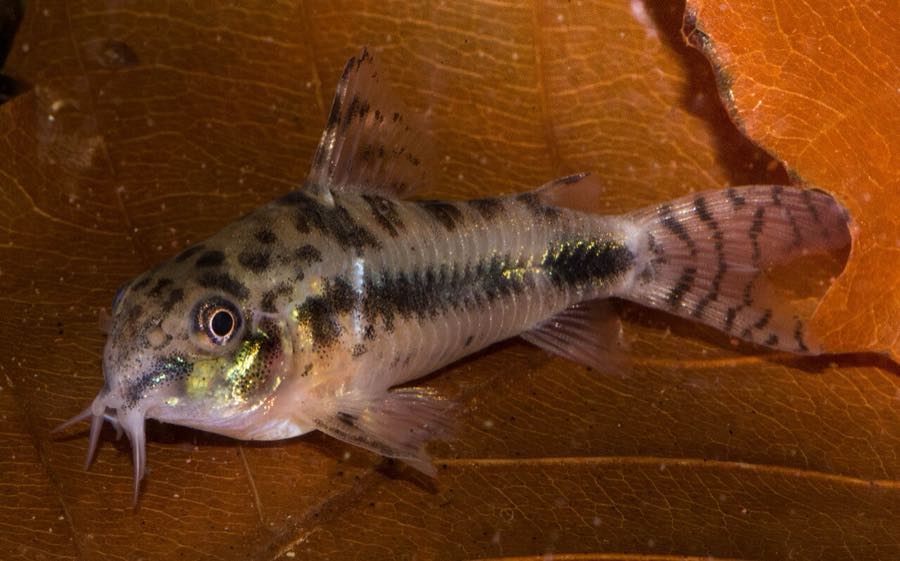
Salt and pepper cory tank size
Choose an aquarium with a tank length of at least 60 cm × 30 cm across the bottom. Because this species stays close to the floor rather than hovering in open midwater, dedicating ample bottom space to the entire group takes priority over tank height.Choose an aquarium with a tank length of at least 24 in × 12 in across the bottom. Because this species stays close to the floor rather than hovering in open midwater, dedicating ample bottom space to the entire group takes priority over tank height.[1]
Select fine sand or smooth, clean gravel for the flooring, adding shelter alongside open feeding areas. Maintain a clear route up to the water surface so individuals can swallow atmospheric air into their modified intestine.Select fine sand or smooth, clean gravel for the flooring, adding shelter alongside open feeding areas. Maintain a clear route up to the water surface so individuals can swallow atmospheric air into their modified intestine.[1]
Salt and pepper cory water parameters
Keep water temperature between 22–26 °C. Regulate water chemistry to remain within pH 6.2–7.2 and 2–10 dGH.Keep water temperature between 72–79 °F. Regulate water chemistry to remain within pH 6.2–7.2 and 2–10 dGH.[1]
Ammonia is toxic to aquatic life and must remain undetectable. Maintain a fully established biological filter, and test the water promptly if your fish lose their appetite or alter their usual habits.Ammonia is toxic to aquatic life and must remain undetectable. Maintain a fully established biological filter, and test the water promptly if your fish lose their appetite or alter their usual habits.[3]
Excreted fish waste and leftover rations break down into ammonia. Restrict portions to prevent overfeeding and safeguard filter bacteria instead of assuming clear water confirms good parameters.Excreted fish waste and leftover rations break down into ammonia. Restrict portions to prevent overfeeding and safeguard filter bacteria instead of assuming clear water confirms good parameters.[3]
Feeding Salt and pepper cories
As foraging omnivores, these catfish take sinking dry pellets, tablets and small live or frozen items such as Tubifex and bloodworm. Using rapidly descending foods helps rations arrive at the bottom where these fish forage.As foraging omnivores, these catfish take sinking dry pellets, tablets and small live or frozen items such as Tubifex and bloodworm. Using rapidly descending foods helps rations arrive at the bottom where these fish forage.[1][2]
Offer two daily meals sized for the group to finish within roughly two minutes. Inspect the substrate during feeding to verify the catfish are eating, and never expect them to subsist on scraps dropped by other stock.Offer two daily meals sized for the group to finish within roughly two minutes. Inspect the substrate during feeding to verify the catfish are eating, and never expect them to subsist on scraps dropped by other stock.[2][1]
Salt and pepper cory behaviour
Keep ten or more fish of the same species to satisfy their peaceful, social disposition. Wild populations occur throughout tributaries along the left bank of the upper Orinoco in Venezuela and Colombia, particularly in the Apure drainage.Keep ten or more fish of the same species to satisfy their peaceful, social disposition. Wild populations occur throughout tributaries along the left bank of the upper Orinoco in Venezuela and Colombia, particularly in the Apure drainage.[1]
Adults attain an adult length of 3.5 cm standard length, usually showing two or three dark blotches along their flanks. Surface gulps reflect normal intestinal respiration, but persistent distress calls for immediate water testing and care assessment.Adults attain an adult length of 1.4 in standard length, usually showing two or three dark blotches along their flanks. Surface gulps reflect normal intestinal respiration, but persistent distress calls for immediate water testing and care assessment.[1][3]
Take care during handling instead of holding them in an open hand. Pectoral fin spines can pierce human skin and snag easily when moving the fish.Take care during handling instead of holding them in an open hand. Pectoral fin spines can pierce human skin and snag easily when moving the fish.[1]
Salt and pepper cory tank mates
Gentle upper-level schooling companions can share the aquarium when water chemistry, adequate space and their own shoals are provided. Gentle upper-level schooling companions can share the aquarium when water chemistry, adequate space and their own shoals are provided. Neon tetrasNeon tetras and and Harlequin rasborasHarlequin rasboras meet these criteria as calm companions above the bottom zone. meet these criteria as calm companions above the bottom zone.[1][9][10]
Zebra daniosZebra danios can work well if the tank offers sufficient swimming space and food reaches the bottom catfish. can work well if the tank offers sufficient swimming space and food reaches the bottom catfish. Honey gouramisHoney gouramis are another peaceful addition, provided you incorporate plenty of plant cover and open room for each animal. are another peaceful addition, provided you incorporate plenty of plant cover and open room for each animal.[1][11][12]
Do not house them with large cichlids like Do not house them with large cichlids like OscarsOscars, as mature specimens can swallow small tank mates. The aggressive nature and predatory drive of adult , as mature specimens can swallow small tank mates. The aggressive nature and predatory drive of adult Jack DempseysJack Dempseys also make them unsuitable for this small catfish. also make them unsuitable for this small catfish.[1][6][7]
Exclude Exclude Pea puffersPea puffers from their tank. Their propensity for fin-nipping and difficult social behaviour creates unneeded risks for peaceful bottom dwellers. from their tank. Their propensity for fin-nipping and difficult social behaviour creates unneeded risks for peaceful bottom dwellers.[1][8]
Usually fine together
- African butterfly cichlid
- Agassiz's cory
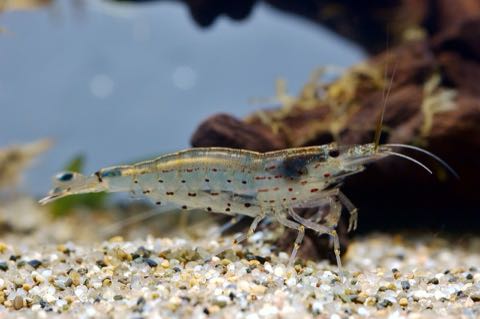 Amano shrimp
- American flagfish
- Banded gourami
- Bandit cory
- Banjo catfish
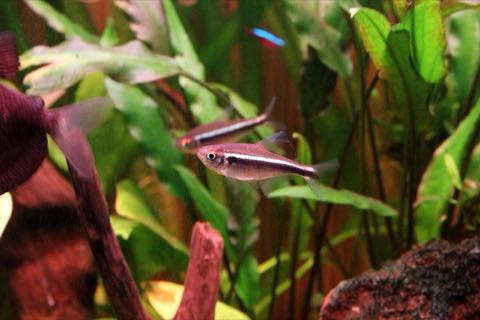 Black neon tetra
- Black phantom tetra
- Black ruby barb
- Blackline rasbora
- Bleeding heart tetra
Avoid with
- Acei cichlid
No shared pH rangeNo shared pH range
- African clawed frog
African clawed frog may eat Salt and pepper coryAfrican clawed frog may eat Salt and pepper cory
- Blue rainbowfish
No shared pH rangeNo shared pH range
- Brevis shell dweller
No shared pH rangeNo shared pH range
- Caudopunctatus
No shared pH rangeNo shared pH range
- Irian Jaya rainbowfish
No shared pH rangeNo shared pH range
- Multies
No shared pH rangeNo shared pH range
- Parkinson's rainbowfish
No shared pH rangeNo shared pH range
- Pindani
No shared pH rangeNo shared pH range
- Rusty cichlid
No shared pH rangeNo shared pH range
- Saulosi cichlid
No shared pH rangeNo shared pH range
- Similis shell dweller
No shared pH rangeNo shared pH range
Salt and pepper cory health problems
Ich can trigger scattered white flecks, body rubbing, clamped fin posture and rapid respiration. The parasite may strike the gill tissue without forming visible body spots, so obtain an accurate diagnosis before assuming any pale blemish is white spot.Ich can trigger scattered white flecks, body rubbing, clamped fin posture and rapid respiration. The parasite may strike the gill tissue without forming visible body spots, so obtain an accurate diagnosis before assuming any pale blemish is white spot.[5]
Hold new arrivals in quarantine for at least 30 days and avoid sharing wet nets or equipment between aquariums to lower the odds of introducing ich.Hold new arrivals in quarantine for at least 30 days and avoid sharing wet nets or equipment between aquariums to lower the odds of introducing ich.[5]
Bacterial fin rot can produce bloody streaks and ragged, receding fin tissue. Substandard water parameters raise the chance of infection; keep conditions stable and eliminate bullying, remembering that an isolated fin split does not confirm bacterial disease.Bacterial fin rot can produce bloody streaks and ragged, receding fin tissue. Substandard water parameters raise the chance of infection; keep conditions stable and eliminate bullying, remembering that an isolated fin split does not confirm bacterial disease.[4]
Cotton-wool fungal infection shows fluffy pale growth on damaged tissues, often appearing after injury, rough handling or environmental stress. Avoid sharp decor, handle fish gently, maintain clean water and seek a diagnosis, noting that bacterial mouth rot can look similar.Cotton-wool fungal infection shows fluffy pale growth on damaged tissues, often appearing after injury, rough handling or environmental stress. Avoid sharp decor, handle fish gently, maintain clean water and seek a diagnosis, noting that bacterial mouth rot can look similar.[4]
Male or female?
Physical differences appear as fish mature. Fully grown females develop a broader, deeper body profile and reach a slightly larger overall build than males.Physical differences appear as fish mature. Fully grown females develop a broader, deeper body profile and reach a slightly larger overall build than males.[1]
Questions
How many Habrosus Cory should I keep?
House a group of ten or more fish of the same species. They are social bottom dwellers that spend substantial time foraging together across the substrate.House a group of ten or more fish of the same species. They are social bottom dwellers that spend substantial time foraging together across the substrate.[1]
How big do Corydora Habrosus get?
They grow to an adult length of 3.5 cm standard length. Adult females develop a wider, deeper body outline than males.They grow to an adult length of 1.4 in standard length. Adult females develop a wider, deeper body outline than males.[1]
How many times should I feed my Corydoras?
Provide two small feedings each day, measured so the fish consume everything in roughly two minutes. Use sinking foods so rations arrive at the bottom.Provide two small feedings each day, measured so the fish consume everything in roughly two minutes. Use sinking foods so rations arrive at the bottom.[2][1]
Do Corydoras prefer sand or gravel?
Use fine sand or smooth, clean gravel. Pair this substrate with sheltered hiding spots and open foraging spaces across a tank length of at least 60 cm × 30 cm.Use fine sand or smooth, clean gravel. Pair this substrate with sheltered hiding spots and open foraging spaces across a tank length of at least 24 in × 12 in.[1]
Do Corydoras keep your tank clean?
No, they need direct feedings and cannot survive on leftover scraps or aquarium debris. Uneaten food and waste elevate ammonia levels, requiring an established biological filter.No, they need direct feedings and cannot survive on leftover scraps or aquarium debris. Uneaten food and waste elevate ammonia levels, requiring an established biological filter.[1][3]
Sources
- Hoplisoma habrosum (Salt and Pepper Cory) — Seriously Fish. Accessed 2026-10-05.
- What to feed your fish — RSPCA. Accessed 2026-10-05.
- Ammonia in Aquatic Systems — UF/IFAS Extension. Accessed 2026-10-05.
- Frequently asked questions on treating sick fish — Practical Fishkeeping. Accessed 2026-10-05.
- Ichthyophthirius multifiliis (White Spot) Infections in Fish — UF/IFAS Extension. Accessed 2026-10-05.
- Astronotus ocellatus (Oscar) — Seriously Fish. Accessed 2026-10-05.
- Rocio octofasciata (Jack Dempsey) — Seriously Fish. Accessed 2026-10-05.
- Carinotetraodon travancoricus (Dwarf Puffer) — Seriously Fish. Accessed 2026-10-05.
- Neon tetra species profile — Seriously Fish. Accessed 2026-10-05.
- Harlequin rasbora species profile — Seriously Fish. Accessed 2026-10-05.
- Zebra danio species profile — Seriously Fish. Accessed 2026-10-05.
- Honey gourami species profile — Seriously Fish. Accessed 2026-10-05.
Written from the sources above. Not yet reviewed by an aquarist.
Data used by the planner
| Temperature range | 22–27 | AqAdvisor (aqadvisor.com), retrieved 2026-10-04 · medium confidence |
|---|---|---|
| pH | 6.2–7.2 | AqAdvisor (aqadvisor.com), retrieved 2026-10-04 · low confidence |
| Hardness (dGH) | 1–15 | AqAdvisor (aqadvisor.com), retrieved 2026-10-04 · low confidence |
| Origin | South America | curated-v0 (needs expert review) · low confidence |
| Beginner friendly | Yes | curated-v0 (needs expert review) · medium confidence |
| Care level | easy | curated-v0 (needs expert review) · medium confidence |
| Activity | moderate | curated-v0 (needs expert review) · medium confidence |
| Swimming level | bottom | curated-v0 (needs expert review) · medium confidence |
| Temperament | peaceful | curated-v0 (needs expert review) · medium confidence |
| Nips fins | No | curated-v0 (needs expert review) · medium confidence |
| Long fins | No | curated-v0 (needs expert review) · medium confidence |
| Territorial | No | curated-v0 (needs expert review) · medium confidence |
| Lives in groups | Yes | curated-v0 (needs expert review) · medium confidence |
| Minimum group | 8 | curated-v0 (needs expert review) · medium confidence |
| Diet | omnivore | curated-v0 (needs expert review) · medium confidence |
| Lifespan (years) | 2–4 | curated-v0 (needs expert review) · low confidence |
| Months to adult size | 6 | curated-v0 (needs expert review) · low confidence |
| Safe with plants | Yes | curated-v0 (needs expert review) · medium confidence |
| Minimum tank length | 45 | curated-v0 (needs expert review) · medium confidence |