Glowlight rasbora tank size
Plan for a tank length of at least 60 cm, using a base of 60 cm × 30 cm for the shoal. This fish reaches an adult length of about 3 cm, but higher filter capacity cannot substitute for horizontal swimming space.Plan for a tank length of at least 24 in, using a base of 24 in × 12 in for the shoal. This fish reaches an adult length of about 1 in, but higher filter capacity cannot substitute for horizontal swimming space.[1]
Natural habitats in Sumatra feature forest streams and tributaries with heavy plant growth. In the aquarium, arrange roots, sand substrate, and shaded or floating plants while leaving open swimming channels under gentle water movement and subdued lighting.Natural habitats in Sumatra feature forest streams and tributaries with heavy plant growth. In the aquarium, arrange roots, sand substrate, and shaded or floating plants while leaving open swimming channels under gentle water movement and subdued lighting.[1][2]
Fit a secure aquarium lid over the tank as a standard precaution. Distinct from harlequin or lambchop rasboras, this species displays a greyish body accented by a bright orange line running along the upper border of its black mark.Fit a secure aquarium lid over the tank as a standard precaution. Distinct from harlequin or lambchop rasboras, this species displays a greyish body accented by a bright orange line running along the upper border of its black mark.[2][1]
Glowlight rasbora water parameters
Target a water temperature of 23–25 °C, a pH of 6.0–7.5, and a hardness of 5–10 dGH for routine aquarium maintenance.Target a water temperature of 73–77 °F, a pH of 6.0–7.5, and a hardness of 5–10 dGH for routine aquarium maintenance.[1]
Test water weekly, keep ammonia and nitrite at zero, and carry out a one-quarter water change once every week using conditioned replacement water.Test water weekly, keep ammonia and nitrite at zero, and carry out a one-quarter water change once every week using conditioned replacement water.[2]
Always run a fully cycled biological filter. When the filter media requires cleaning, rinse it gently in water taken from the aquarium during maintenance, avoiding chlorinated tap water, and add new livestock gradually.Always run a fully cycled biological filter. When the filter media requires cleaning, rinse it gently in water taken from the aquarium during maintenance, avoiding chlorinated tap water, and add new livestock gradually.[2]
Feeding glowlight rasboras
Feed fine flakes or small granules once daily, varying the diet with appropriately small live or frozen daphnia, brine shrimp, or bloodworm. Wild diets likely consist of small insects, worms, crustaceans, and zooplankton.Feed fine flakes or small granules once daily, varying the diet with appropriately small live or frozen daphnia, brine shrimp, or bloodworm. Wild diets likely consist of small insects, worms, crustaceans, and zooplankton.[2][1]
Offer only what the shoal can finish within a few minutes, making sure the food particles are small enough for each fish to eat. Remove any uneaten portions promptly to stop debris from building up on the substrate.Offer only what the shoal can finish within a few minutes, making sure the food particles are small enough for each fish to eat. Remove any uneaten portions promptly to stop debris from building up on the substrate.[2][1]
Glowlight rasbora behaviour
House this species in a group of at least eight fish, though ten or more is preferable. Maintaining adequate numbers helps lower nervousness, but stress can still occur in the group.House this species in a group of at least eight fish, though ten or more is preferable. Maintaining adequate numbers helps lower nervousness, but stress can still occur in the group.[1]
These rasboras are generally peaceful in community setups with small fish. Males display intensified coloration when competing for female attention, though mild friction can still arise between rivals.These rasboras are generally peaceful in community setups with small fish. Males display intensified coloration when competing for female attention, though mild friction can still arise between rivals.[1]
When kept in a mature aquarium, rasboras can live for several years. Keep their small adult length of about 3 cm in mind when evaluating the community mix.When kept in a mature aquarium, rasboras can live for several years. Keep their small adult length of about 1 in in mind when evaluating the community mix.[2][1]
Glowlight rasbora tank mates
Small schooling tetras may be considered if care needs match. Small schooling tetras may be considered if care needs match. Neon tetrasNeon tetras share compatible water parameters, provided both species have complete shoals. share compatible water parameters, provided both species have complete shoals. Ember tetrasEmber tetras are another small option, though their overlapping temperature range is restricted to 24–25 °C. are another small option, though their overlapping temperature range is restricted to 75–77 °F.[1]
Peaceful bottom dwellers can be considered if their individual needs are satisfied. Peaceful bottom dwellers can be considered if their individual needs are satisfied. Pygmy corydorasPygmy corydoras fit this category if kept in their own group with direct access to sinking food. fit this category if kept in their own group with direct access to sinking food. Kuhli loachesKuhli loaches may also be kept at 24–25 °C if their group and shelter needs are met. may also be kept at 75–77 °F if their group and shelter needs are met.[1][2]
Avoid large predatory cichlids such as Avoid large predatory cichlids such as oscarsoscars and and Jack DempseysJack Dempseys. Their adult size, territorial hostility, and predatory habits make them unsuitable tank mates for a small rasbora having an adult length of about 3 cm.. Their adult size, territorial hostility, and predatory habits make them unsuitable tank mates for a small rasbora having an adult length of about 1 in.[5][6][1]
Do not mix this species with Do not mix this species with pea pufferspea puffers. Pea puffers present ongoing fin-nipping risks that disrupt the calm environment small rasboras require.. Pea puffers present ongoing fin-nipping risks that disrupt the calm environment small rasboras require.[7]
Usually fine together
- African butterfly cichlid
- Agassiz's cory
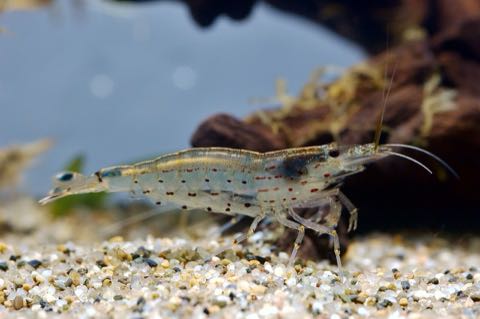 Amano shrimp
- American flagfish
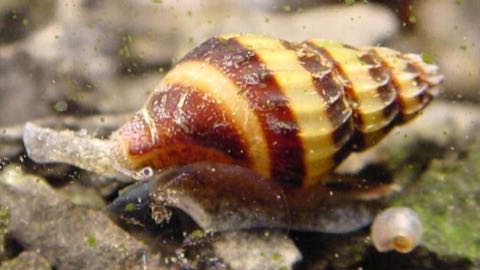 Assassin snail
- Banded gourami
- Bandit cory
- Banjo catfish
- Black phantom tetra
- Black ruby barb
- Blackline rasbora
- Bleeding heart tetra
Avoid with
- African clawed frog
African clawed frog may eat Glowlight rasboraAfrican clawed frog may eat Glowlight rasbora
- Irian Jaya rainbowfish
No shared temperature rangeNo shared temperature range
- Parkinson's rainbowfish
No shared temperature rangeNo shared temperature range
- Rusty cichlid
No shared temperature rangeNo shared temperature range
- Abei puffer
Abei puffer may eat Glowlight rasboraAbei puffer may eat Glowlight rasbora
- African butterflyfish
African butterflyfish may eat Glowlight rasboraAfrican butterflyfish may eat Glowlight rasbora
- African knifefish
African knifefish may eat Glowlight rasboraAfrican knifefish may eat Glowlight rasbora
- African pike
African pike may eat Glowlight rasboraAfrican pike may eat Glowlight rasbora
- Alligator gar
Alligator gar may eat Glowlight rasboraAlligator gar may eat Glowlight rasbora
- Altum angelfish
No shared temperature rangeNo shared temperature range
- Amazon leaffish
Amazon leaffish may eat Glowlight rasboraAmazon leaffish may eat Glowlight rasbora
- Amazon toadfish
Amazon toadfish may eat Glowlight rasboraAmazon toadfish may eat Glowlight rasbora
Breeding glowlight rasboras
Female rasboras attach their eggs directly to the undersides of broad plant leaves instead of dropping them into the substrate. The parents offer zero brood care and will eat their own eggs.Female rasboras attach their eggs directly to the undersides of broad plant leaves instead of dropping them into the substrate. The parents offer zero brood care and will eat their own eggs.[1]
Set up a separate, dimly lit breeding aquarium planted with broad-leaved vegetation. Remove all adult fish immediately after spawning to protect the eggs from predation.Set up a separate, dimly lit breeding aquarium planted with broad-leaved vegetation. Remove all adult fish immediately after spawning to protect the eggs from predation.[1]
Eggs typically hatch within 24–48 hours, and fry become free swimming about one week later. Feed free-swimming young microscopic foods like Paramecium, stepping up to newly hatched brine shrimp nauplii or microworms as they grow.Eggs typically hatch within 24–48 hours, and fry become free swimming about one week later. Feed free-swimming young microscopic foods like Paramecium, stepping up to newly hatched brine shrimp nauplii or microworms as they grow.[1]
Glowlight rasbora health problems
Ich is caused by the parasite Ichthyophthirius multifiliis. Visible signs include salt-like white dots, skin rubbing against surfaces, rapid breathing, and diminished appetite, though these signs alone do not confirm a definitive diagnosis.Ich is caused by the parasite Ichthyophthirius multifiliis. Visible signs include salt-like white dots, skin rubbing against surfaces, rapid breathing, and diminished appetite, though these signs alone do not confirm a definitive diagnosis.[3]
Quarantine newly acquired fish for 30 days and keep nets disinfected or separated between aquariums to reduce parasite entry. If symptoms progress or fish deteriorate, seek dedicated aquatic health advice.Quarantine newly acquired fish for 30 days and keep nets disinfected or separated between aquariums to reduce parasite entry. If symptoms progress or fish deteriorate, seek dedicated aquatic health advice.[3][1][2]
Fin rot is a bacterial issue linked to environmental stress and poor water quality. Fins show fraying, red streaks, or tissue loss; check water parameters, reduce social harassment, and seek fish-health advice if fins worsen.Fin rot is a bacterial issue linked to environmental stress and poor water quality. Fins show fraying, red streaks, or tissue loss; check water parameters, reduce social harassment, and seek fish-health advice if fins worsen.[4]
Fungal growth can develop as greyish-white cottony patches on damaged skin after injuries or stress compromise the mucus coat. Handle fish gently, choose smooth decor, keep water clean, and seek guidance promptly.Fungal growth can develop as greyish-white cottony patches on damaged skin after injuries or stress compromise the mucus coat. Handle fish gently, choose smooth decor, keep water clean, and seek guidance promptly.[4]
Male or female?
Distinguishing sexes relies on subtle visual comparisons. Sexually mature females are generally slightly larger and noticeably deeper in the belly.Distinguishing sexes relies on subtle visual comparisons. Sexually mature females are generally slightly larger and noticeably deeper in the belly.[1][2]
Mature males typically display a slimmer body outline alongside more intense orange coloration. Making these physical distinctions on young, immature fish is considerably more difficult.Mature males typically display a slimmer body outline alongside more intense orange coloration. Making these physical distinctions on young, immature fish is considerably more difficult.[1][2]
Questions
How many rasboras should I keep together?
Keep at least eight rasboras of their own species together, though a shoal of ten or more is better. Adequate group size helps reduce nervousness.Keep at least eight rasboras of their own species together, though a shoal of ten or more is better. Adequate group size helps reduce nervousness.[1]
How often should rasboras be fed?
Feed your rasboras once per day. Give only what the shoal can finish in a few minutes, and clear away any leftover food promptly.Feed your rasboras once per day. Give only what the shoal can finish in a few minutes, and clear away any leftover food promptly.[2]
What fish can I put with rasboras?
Peaceful, small companions like neon tetras, ember tetras, or pygmy corydoras may be considered if care and space needs align. Avoid large predators such as oscars and fin-nippers like pea puffers.Peaceful, small companions like neon tetras, ember tetras, or pygmy corydoras may be considered if care and space needs align. Avoid large predators such as oscars and fin-nippers like pea puffers.[1][2][5][7]
Do rasboras jump out of tanks?
A secure aquarium lid is recommended as a practical precaution. Keep the tank covered as recommended without assuming specific jumping triggers.A secure aquarium lid is recommended as a practical precaution. Keep the tank covered as recommended without assuming specific jumping triggers.[2][1]
Are rasbora fish easy to care for?
Provide a 60 cm tank length, weekly water changes of one quarter, and zero ammonia and nitrite. Feed small flakes, granules, and tiny live or frozen prey daily.Provide a 24 in tank length, weekly water changes of one quarter, and zero ammonia and nitrite. Feed small flakes, granules, and tiny live or frozen prey daily.[1][2]
Sources
- Trigonostigma hengeli — Seriously Fish. Accessed 2026-10-05.
- How to look after rasboras — Ornamental Aquatic Trade Association. Accessed 2026-10-05.
- Ichthyophthirius multifiliis (White Spot) Infections in Fish — UF/IFAS Extension. Accessed 2026-10-05.
- Frequently asked questions on treating sick fish — Practical Fishkeeping. Accessed 2026-10-05.
- Astronotus ocellatus (Oscar) — Seriously Fish. Accessed 2026-10-05.
- Rocio octofasciata (Jack Dempsey) — Seriously Fish. Accessed 2026-10-05.
- Carinotetraodon travancoricus (Dwarf Puffer) — Seriously Fish. Accessed 2026-10-05.
Written from the sources above. Not yet reviewed by an aquarist.
Data used by the planner
| Temperature | 22–25 | AqAdvisor (aqadvisor.com), retrieved 2026-10-04 · low confidence |
|---|---|---|
| pH | 6–8 | AqAdvisor (aqadvisor.com), retrieved 2026-10-04 · medium confidence |
| Hardness (dGH) | 5–15 | AqAdvisor (aqadvisor.com), retrieved 2026-10-04; agrees with FishBase (fishbase.se), retrieved 2026-10-04 · medium confidence |
| Origin | Sumatra and Borneo | curated-v0 (needs expert review) · low confidence |
| Beginner friendly | Yes | curated-v0 (needs expert review) · medium confidence |
| Care level | easy | curated-v0 (needs expert review) · medium confidence |
| Activity | moderate | curated-v0 (needs expert review) · medium confidence |
| Swimming level | middle | curated-v0 (needs expert review) · medium confidence |
| Temperament | peaceful | curated-v0 (needs expert review) · medium confidence |
| Nips fins | No | curated-v0 (needs expert review) · medium confidence |
| Long fins | No | curated-v0 (needs expert review) · medium confidence |
| Territorial | No | curated-v0 (needs expert review) · medium confidence |
| Lives in groups | Yes | curated-v0 (needs expert review) · medium confidence |
| Minimum group | 8 | curated-v0 (needs expert review) · medium confidence |
| Diet | omnivore | curated-v0 (needs expert review) · medium confidence |
| Lifespan (years) | 3–5 | curated-v0 (needs expert review) · low confidence |
| Months to adult size | 6 | curated-v0 (needs expert review) · low confidence |
| Safe with plants | Yes | curated-v0 (needs expert review) · medium confidence |