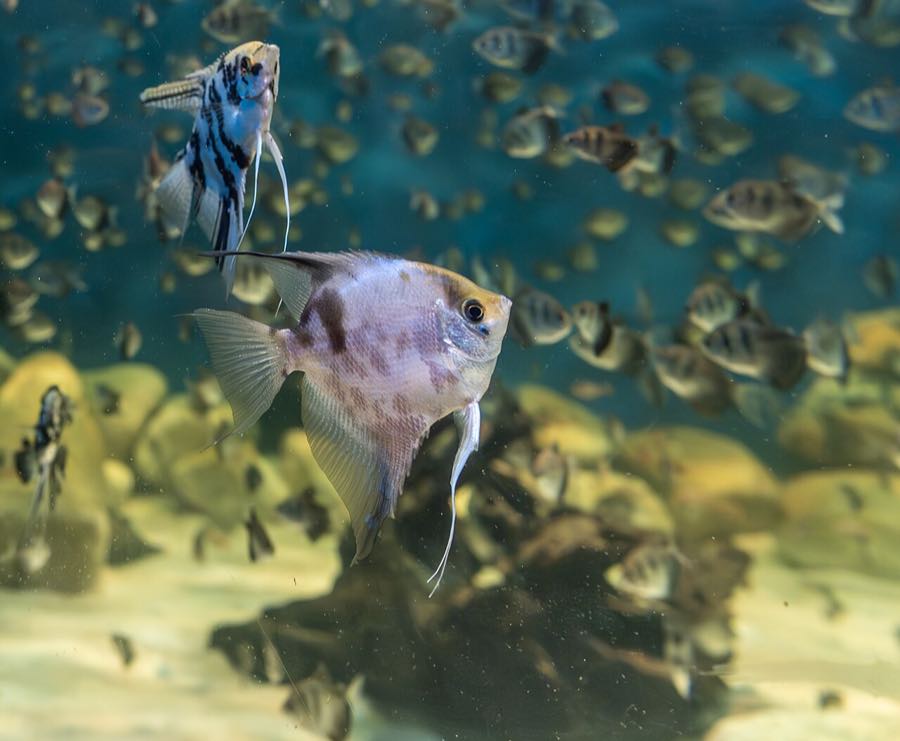
Angelfish tank size
Plan for a tank length of at least 90 cm for an angelfish. Seriously Fish recommends a 100 cm tank base, which provides extra physical space for swimming and accommodating aquatic plants alongside growing adults.Plan for a tank length of at least 35 in for an angelfish. Seriously Fish recommends a about 3 ft (39 in) tank base, which provides extra physical space for swimming and accommodating aquatic plants alongside growing adults.[1]
Vertical room is just as critical as length. Provide a tank height of 50 cm, as recommended by Seriously Fish for adults, because their long dorsal and anal fins need vertical clearance beyond basic horizontal swimming margins.Vertical room is just as critical as length. Provide a tank height of 20 in, as recommended by Seriously Fish for adults, because their long dorsal and anal fins need vertical clearance beyond basic horizontal swimming margins.[1]
Angelfish water parameters
Keep your water temperature stable within 24–30 °C, picking a consistent point that also matches any shared inhabitants. Maintain a practical pH range of 6.0–7.4 and a general hardness within 1–15 dGH.Keep your water temperature stable within 75–86 °F, picking a consistent point that also matches any shared inhabitants. Maintain a practical pH range of 6.0–7.4 and a general hardness within 1–15 dGH.[1]
Fully establish your biological filter before introducing angelfish to the aquarium. Adult cichlids produce significantly more metabolic waste than small juveniles, so monitor ammonia and nitrite concentrations closely after adding new stock or increasing daily feeding amounts.Fully establish your biological filter before introducing angelfish to the aquarium. Adult cichlids produce significantly more metabolic waste than small juveniles, so monitor ammonia and nitrite concentrations closely after adding new stock or increasing daily feeding amounts.[3]
Feeding angelfish
Feed your angelfish twice daily, offering an amount they consume within about two minutes. Provide quality tropical flakes or sinking pellets as a daily base, and rotate thawed bloodworm, daphnia, or brine shrimp into the schedule for variety.Feed your angelfish twice daily, offering an amount they consume within about two minutes. Provide quality tropical flakes or sinking pellets as a daily base, and rotate thawed bloodworm, daphnia, or brine shrimp into the schedule for variety.[1][2]
Keep meal sizes modest even if your angelfish rushes to the front glass every time you approach. An eager feeding response indicates normal curiosity, but a fish's willingness to eat does not reveal its actual nutritional requirement.Keep meal sizes modest even if your angelfish rushes to the front glass every time you approach. An eager feeding response indicates normal curiosity, but a fish's willingness to eat does not reveal its actual nutritional requirement.[2][3]
Angelfish behaviour
Expect a typical adult length around 12 cm, with larger specimens reaching 15.2 cm. Deep body profiles and extended vertical fins make these cichlids far more substantial in physical presence than their base horizontal length suggests.Expect a typical adult length around 5 in, with larger specimens reaching 6 in. Deep body profiles and extended vertical fins make these cichlids far more substantial in physical presence than their base horizontal length suggests.[1]
Watch your group closely as individuals mature and form pairs. Fish that coexisted calmly as juveniles often begin defending territory aggressively once breeding begins. Plan on a five to ten year lifespan, though some healthy fish survive longer.Watch your group closely as individuals mature and form pairs. Fish that coexisted calmly as juveniles often begin defending territory aggressively once breeding begins. Plan on a five to ten year lifespan, though some healthy fish survive longer.[1][6]
Angelfish tank mates
Bronze corydorasBronze corydoras make a peaceful bottom group when shared temperature parameters suit both species. make a peaceful bottom group when shared temperature parameters suit both species. Bristlenose plecosBristlenose plecos offer another robust bottom-dwelling option. Provide these bottom dwellers with their own dedicated shelters and separate feeding zones. offer another robust bottom-dwelling option. Provide these bottom dwellers with their own dedicated shelters and separate feeding zones.[1][2]
Adult deep-bodied characins like Adult deep-bodied characins like black phantom tetrasblack phantom tetras and and rosy tetrasrosy tetras work well in the midwater when grown large enough to avoid predation. Maintain each species in its own full shoal while leaving open swimming volume for everyone. work well in the midwater when grown large enough to avoid predation. Maintain each species in its own full shoal while leaving open swimming volume for everyone.[1]
Do not house angelfish with Do not house angelfish with neon tetrasneon tetras, which become natural prey as the cichlids reach adult size. Keep , which become natural prey as the cichlids reach adult size. Keep cherry shrimpcherry shrimp out of the aquarium for the same reason, as they present easy hunting targets. out of the aquarium for the same reason, as they present easy hunting targets.[1][7]
Avoid keeping Avoid keeping tiger barbstiger barbs in the same community display. These active fish create a severe hazard by persistently nipping an angelfish's extended dorsal and anal fins, which causes painful physical damage and triggers bacterial vulnerability. in the same community display. These active fish create a severe hazard by persistently nipping an angelfish's extended dorsal and anal fins, which causes painful physical damage and triggers bacterial vulnerability.[1][7][4]
Usually fine together
- African butterfly cichlid
- Agassiz's cory
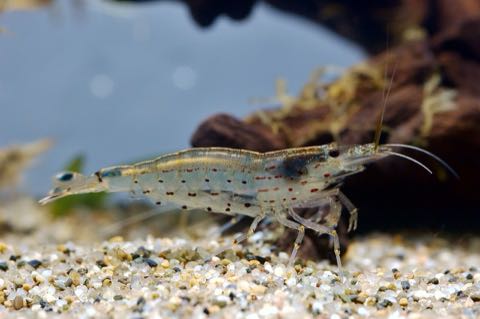 Amano shrimp
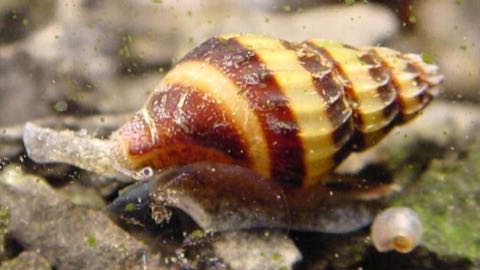 Assassin snail
- Banded gourami
- Bandit cory
- Banjo catfish
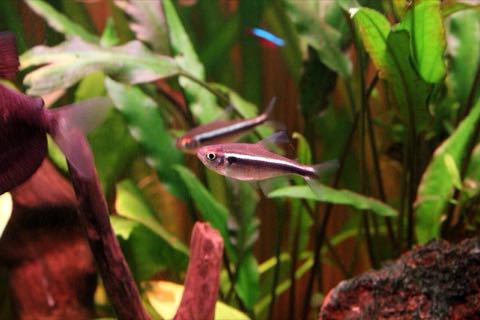 Black neon tetra
- Black phantom tetra
- Black ruby barb
- Bleeding heart tetra
- Blood parrot cichlid
Avoid with
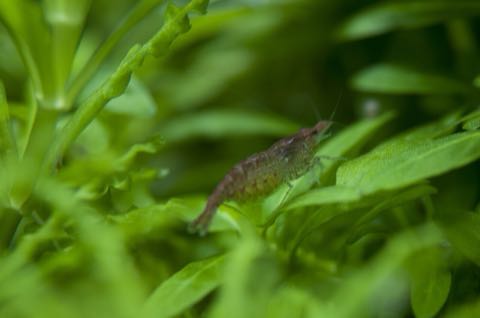 Cherry shrimp
Angelfish may eat Cherry shrimp and their youngAngelfish may eat Cherry shrimp and their young
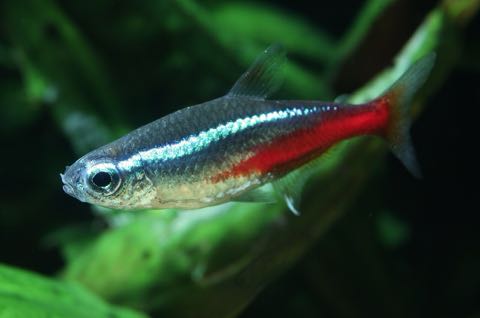 Neon tetra
Angelfish may eat Neon tetra when small enough to swallowAngelfish may eat Neon tetra when small enough to swallow
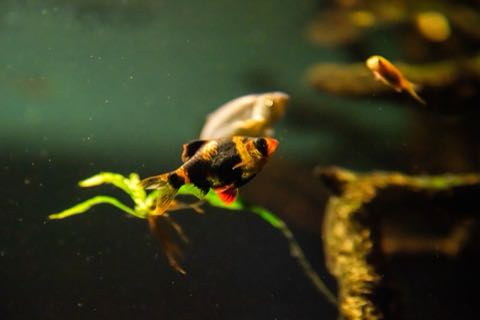 Tiger barb
Tiger barb may nip the long fins of AngelfishTiger barb may nip the long fins of Angelfish
- American flagfish
American flagfish may nip AngelfishAmerican flagfish may nip Angelfish
- Blind cave tetra
Blind cave tetra may nip AngelfishBlind cave tetra may nip Angelfish
- Buenos Aires tetra
Buenos Aires tetra may nip AngelfishBuenos Aires tetra may nip Angelfish
- Butterfly splitfin
Butterfly splitfin may nip AngelfishButterfly splitfin may nip Angelfish
- Chinese barb
Chinese barb may nip AngelfishChinese barb may nip Angelfish
- Colombian tetra
Colombian tetra may nip AngelfishColombian tetra may nip Angelfish
- Red eye tetra
Red eye tetra may nip AngelfishRed eye tetra may nip Angelfish
- Silvertip tetra
Silvertip tetra may nip AngelfishSilvertip tetra may nip Angelfish
- Ticto barb
Ticto barb may nip AngelfishTicto barb may nip Angelfish
Breeding angelfish
Angelfish deposit their eggs onto clean upright surfaces, including broad plant leaves, flat slate pieces, or the aquarium glass. A bonded pair thoroughly cleans their selected site, guards the clutch, and protects the hatched wrigglers.Angelfish deposit their eggs onto clean upright surfaces, including broad plant leaves, flat slate pieces, or the aquarium glass. A bonded pair thoroughly cleans their selected site, guards the clutch, and protects the hatched wrigglers.[1]
Prepare fry foods before the young absorb their yolk reserves and become free-swimming. Offer newly hatched brine shrimp once they start swimming actively, followed by appropriately sized micro fry foods as the brood matures.Prepare fry foods before the young absorb their yolk reserves and become free-swimming. Offer newly hatched brine shrimp once they start swimming actively, followed by appropriately sized micro fry foods as the brood matures.[1]
Angelfish health problems
Ich produces visible small white spots over the skin and fins, accompanied by gravel rubbing or laboured breathing. This external parasite frequently enters displays on new arrivals showing no visible outward signs, so quarantine all fish for 30 days and never share unsterilised nets or equipment.Ich produces visible small white spots over the skin and fins, accompanied by gravel rubbing or laboured breathing. This external parasite frequently enters displays on new arrivals showing no visible outward signs, so quarantine all fish for 30 days and never share unsterilised nets or equipment.[5]
Fin rot causes ragged, eroding fin margins that may exhibit bloody red streaks. Physical trauma from aggressive tank mates and dirty water invite opportunistic bacterial infections. Remove persistent fin-nipping companions, run water tests, and correct lapsed maintenance routines.Fin rot causes ragged, eroding fin margins that may exhibit bloody red streaks. Physical trauma from aggressive tank mates and dirty water invite opportunistic bacterial infections. Remove persistent fin-nipping companions, run water tests, and correct lapsed maintenance routines.[4]
Pop-eye causes one or both eyes to protrude unnaturally from the eye socket. Underlying causes range from internal bacterial infections to poor water quality. Inspect ammonia, nitrite, and nitrate levels immediately, observe the fish for concurrent symptoms, and reduce stress through clean conditions.Pop-eye causes one or both eyes to protrude unnaturally from the eye socket. Underlying causes range from internal bacterial infections to poor water quality. Inspect ammonia, nitrite, and nitrate levels immediately, observe the fish for concurrent symptoms, and reduce stress through clean conditions.[4]
Male or female?
Do not depend on body size or forehead profile to sex angelfish reliably. Physical differences remain ambiguous outside active spawning windows. When a pair deposits eggs, examine the visible genital papilla: the male displays a noticeably smaller, more pointed organ than the female.Do not depend on body size or forehead profile to sex angelfish reliably. Physical differences remain ambiguous outside active spawning windows. When a pair deposits eggs, examine the visible genital papilla: the male displays a noticeably smaller, more pointed organ than the female.[1]
Questions
Are angelfish difficult to take care of?
No, provided you satisfy their space requirements and water conditions. angelfish need a tank length of at least 90 cm, stable water temperatures between 24–30 °C, and established biological filtration to cope with the heavy waste produced by adult cichlids.No, provided you satisfy their space requirements and water conditions. angelfish need a tank length of at least 35 in, stable water temperatures between 75–86 °F, and established biological filtration to cope with the heavy waste produced by adult cichlids.[1][3]
What fish to avoid with angelfish?
Avoid small prey species and notorious fin nippers. Do not keep Avoid small prey species and notorious fin nippers. Do not keep neon tetrasneon tetras or or cherry shrimpcherry shrimp, which angelfish readily consume. Likewise, exclude , which angelfish readily consume. Likewise, exclude tiger barbstiger barbs, as they persistently bite and damage long angelfish fins., as they persistently bite and damage long angelfish fins.[1][7]
How to tell if angelfish is happy?
Look for calm behaviour, clear eyes, unblemished fins, and steady appetite. Signs of distress include white spots, clamped or ragged fins with red streaks, protruding eyes, rubbing against decor, or rapid breathing, all of which point to parasites, bacteria, or degraded water quality.Look for calm behaviour, clear eyes, unblemished fins, and steady appetite. Signs of distress include white spots, clamped or ragged fins with red streaks, protruding eyes, rubbing against decor, or rapid breathing, all of which point to parasites, bacteria, or degraded water quality.[5][4]
Can I keep just one angelfish?
Yes, you can house a single angelfish. While juveniles often share space peacefully, mature adults develop territorial behaviour, especially when pairing up. A single specimen avoids territory conflicts and does well in a tank at least 90 cm long.Yes, you can house a single angelfish. While juveniles often share space peacefully, mature adults develop territorial behaviour, especially when pairing up. A single specimen avoids territory conflicts and does well in a tank at least 35 in long.[1]
Can I keep just two angelfish?
Yes, but you must monitor them closely as they mature. Fish that live peacefully when young may defend territory aggressively if they form a bonded pair. Providing a tank at least 90 cm to 100 cm long gives them room to manage boundaries.Yes, but you must monitor them closely as they mature. Fish that live peacefully when young may defend territory aggressively if they form a bonded pair. Providing a tank at least 35 in to about 3 ft (39 in) long gives them room to manage boundaries.[1]
Sources
- Pterophyllum "scalare" (Angelfish) — Seriously Fish. Accessed 2026-10-05.
- What to feed your fish — RSPCA. Accessed 2026-10-05.
- Ammonia in Aquatic Systems — UF/IFAS Extension. Accessed 2026-10-05.
- Frequently asked questions on treating sick fish — Practical Fishkeeping. Accessed 2026-10-05.
- Ichthyophthirius multifiliis (White Spot) Infections in Fish — UF/IFAS Extension. Accessed 2026-10-05.
- How Long Should My Fish Live? — Practical Fishkeeping. Accessed 2026-10-05.
- Betta Care Guide — Aqueon. Accessed 2026-10-05.
Written from the sources above. Not yet reviewed by an aquarist.
Data used by the planner
| Temperature | 24–30 | AqAdvisor (aqadvisor.com), retrieved 2026-10-04; agrees with FishBase (fishbase.se), retrieved 2026-10-04 · medium confidence |
|---|---|---|
| pH | 5.5–7.8 | AqAdvisor (aqadvisor.com), retrieved 2026-10-04; agrees with FishBase (fishbase.se), retrieved 2026-10-04 · medium confidence |
| Hardness (dGH) | 1–15 | AqAdvisor (aqadvisor.com), retrieved 2026-10-04 · low confidence |
| Origin | Tropical Americas or Africa | curated-v0 (needs expert review) · low confidence |
| Beginner friendly | No | curated-v0 (needs expert review) · medium confidence |
| Care level | moderate | curated-v0 (needs expert review) · medium confidence |
| Activity | moderate | curated-v0 (needs expert review) · medium confidence |
| Swimming level | middle | curated-v0 (needs expert review) · medium confidence |
| Temperament | semi aggressive | curated-v0 (needs expert review) · medium confidence |
| Nips fins | No | curated-v0 (needs expert review) · medium confidence |
| Long fins | Yes | curated-v0 (needs expert review) · medium confidence |
| Territorial | Yes | curated-v0 (needs expert review) · medium confidence |
| Lives in groups | No | curated-v0 (needs expert review) · medium confidence |
| Minimum group | 1 | curated-v0 (needs expert review) · medium confidence |
| Diet | omnivore | curated-v0 (needs expert review) · medium confidence |
| Lifespan (years) | 5–10 | curated-v0 (needs expert review) · low confidence |
| Months to adult size | 24 | curated-v0 (needs expert review) · low confidence |
| Safe with plants | Yes | curated-v0 (needs expert review) · medium confidence |
| Minimum tank length | 90 | curated-v0 (needs expert review) · medium confidence |