Oriental weatherfish tank size
Plan for an aquarium footprint of at least 120 cm × 45 cm for long-term care. Filtration cannot make up for inadequate floor space, as these large fish require room to forage across the bottom.Plan for an aquarium footprint of at least about 4 ft (47 in) × 18 in for long-term care. Filtration cannot make up for inadequate floor space, as these large fish require room to forage across the bottom.[1]
Substrate choice directly affects loach welfare. Provide smooth sand or fine rounded substrate so they can burrow freely. Coarse or sharp gravel can scrape their skin, damage sensitive barbels, and interfere with normal feeding behavior.Substrate choice directly affects loach welfare. Provide smooth sand or fine rounded substrate so they can burrow freely. Coarse or sharp gravel can scrape their skin, damage sensitive barbels, and interfere with normal feeding behavior.[1][6]
Rest heavy rocks and driftwood securely against the aquarium glass before adding any sand. Weather loaches dig extensively, and loose hardscape can topple onto them. Arrange decor to leave plenty of shaded retreats.Rest heavy rocks and driftwood securely against the aquarium glass before adding any sand. Weather loaches dig extensively, and loose hardscape can topple onto them. Arrange decor to leave plenty of shaded retreats.[1]
Fit a tight, secure lid and cover every escape gap or filter intake. Weather loaches can jump out of open aquariums, and smaller specimens can work their way into exposed equipment. Always house them securely indoors and never allow them to escape into local natural waters.Fit a tight, secure lid and cover every escape gap or filter intake. Weather loaches can jump out of open aquariums, and smaller specimens can work their way into exposed equipment. Always house them securely indoors and never allow them to escape into local natural waters.[1][6]
Oriental weatherfish water parameters
Maintain cool water between 18–23 °C for routine care. While weather loaches can survive across a wide 10–25 °C tolerance, they are temperate fish rather than permanent residents for hot tropical setups.Maintain cool water between 64–73 °F for routine care. While weather loaches can survive across a wide 50–77 °F tolerance, they are temperate fish rather than permanent residents for hot tropical setups.[1][6]
Aim for a pH between 7.0–8.0 and a general hardness of GH 1–12. While broader readings of pH 6.0–8.0 are tolerated, maintaining stable water conditions matters far more than pursuing extreme target values.Aim for a pH between 7.0–8.0 and a general hardness of GH 1–12. While broader readings of pH 6.0–8.0 are tolerated, maintaining stable water conditions matters far more than pursuing extreme target values.[1][6]
Equip the tank with an established biological filter and maintain steady oxygenation without creating an overpowering current. Ammonia must remain undetectable; test it regularly and immediately if fish act abnormally or refuse food, since filter problems and overfeeding cause tissue damage.Equip the tank with an established biological filter and maintain steady oxygenation without creating an overpowering current. Ammonia must remain undetectable; test it regularly and immediately if fish act abnormally or refuse food, since filter problems and overfeeding cause tissue damage.[1][6][3]
Feeding oriental weatherfish
Feed sinking prepared pellets or tablets alongside regular frozen or live foods such as bloodworms, brine shrimp, Daphnia, or Mysis. Provide two small meals daily, feeding an amount the fish can consume in about two minutes, and clear away leftover food.Feed sinking prepared pellets or tablets alongside regular frozen or live foods such as bloodworms, brine shrimp, Daphnia, or Mysis. Provide two small meals daily, feeding an amount the fish can consume in about two minutes, and clear away leftover food.[1][6][2]
Never assume your loaches will survive simply by cleaning up leftover debris. Monitor every feeding session directly to verify that each loach gets enough food before quicker midwater tank mates consume the entire meal.Never assume your loaches will survive simply by cleaning up leftover debris. Monitor every feeding session directly to verify that each loach gets enough food before quicker midwater tank mates consume the entire meal.[1][6][2]
Oriental weatherfish behaviour
Keep weather loaches in a social group of at least three individuals. While single fish survive alone, having companions encourages more daytime activity and natural foraging across the bottom.Keep weather loaches in a social group of at least three individuals. While single fish survive alone, having companions encourages more daytime activity and natural foraging across the bottom.[6][1]
Adults can reach an adult length of up to 28 cm and live an estimated seven to ten years in aquariums. Natural mottled brown, bright golden, and pale pink or piebald color forms share identical space, substrate, and temperature requirements.Adults can reach an adult length of up to 11 in and live an estimated seven to ten years in aquariums. Natural mottled brown, bright golden, and pale pink or piebald color forms share identical space, substrate, and temperature requirements.[1][10][6]
Although peaceful toward similar-sized companions, their mouth size means they will eat fish eggs, fry, and very small fish. They also possess the ability to gulp atmospheric air and absorb oxygen through their digestive tract, though frequent surface visits do not replace clean, well-oxygenated water.Although peaceful toward similar-sized companions, their mouth size means they will eat fish eggs, fry, and very small fish. They also possess the ability to gulp atmospheric air and absorb oxygen through their digestive tract, though frequent surface visits do not replace clean, well-oxygenated water.[1][6]
The common name comes from their tendency to become erratic and active when barometric pressure drops. However, persistent frantic swimming or distress calls for immediate testing of water quality rather than assuming a weather shift.The common name comes from their tendency to become erratic and active when barometric pressure drops. However, persistent frantic swimming or distress calls for immediate testing of water quality rather than assuming a weather shift.[1][3]
Oriental weatherfish tank mates
Common goldfishCommon goldfish, including active comet-type fish, can work with weather loaches in a much larger aquarium sized for both adult species, because their cool-water needs align., including active comet-type fish, can work with weather loaches in a much larger aquarium sized for both adult species, because their cool-water needs align.[1][9]
Fast-swimming shoaling fish like Fast-swimming shoaling fish like zebra danioszebra danios and and white cloud mountain minnowswhite cloud mountain minnows can work in unheated setups. You must use robust, fully grown adult fish in their own groups, because large loaches can easily swallow tiny minnows, danios, or fry. can work in unheated setups. You must use robust, fully grown adult fish in their own groups, because large loaches can easily swallow tiny minnows, danios, or fry.[9][1]
Peppered corydorasPeppered corydoras can work with them in cool water. Provide a large floor footprint with soft substrate so both bottom-feeding groups have ample space and food access. can work with them in cool water. Provide a large floor footprint with soft substrate so both bottom-feeding groups have ample space and food access.[9][1]
Avoid pairing them with slow-moving Avoid pairing them with slow-moving fancy goldfishfancy goldfish. Energetic loaches frequently outcompete and distress slower fancy varieties during feeding times, despite their shared temperature range.. Energetic loaches frequently outcompete and distress slower fancy varieties during feeding times, despite their shared temperature range.[1]
Do not house weather loaches with aggressive cichlids like Do not house weather loaches with aggressive cichlids like Jack DempseysJack Dempseys or fin-nipping or fin-nipping pea pufferspea puffers. Jack Dempseys display territorial aggression that endangers bottom dwellers, while pea puffers nip fins and require routine tropical temperatures that are unsuitable for loaches.. Jack Dempseys display territorial aggression that endangers bottom dwellers, while pea puffers nip fins and require routine tropical temperatures that are unsuitable for loaches.[7][8][1]
Usually fine together
- African butterfly cichlid
- African clawed frog
- Agassiz's cory
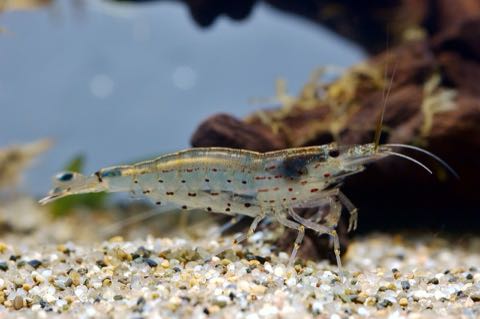 Amano shrimp
- American flagfish
- Banded gourami
- Bandit cory
- Banjo catfish
- Black phantom tetra
- Black ruby barb
- Blackline rasbora
- Bleeding heart tetra
Avoid with
- Brilliant rasbora
No shared pH rangeNo shared pH range
- Irian Jaya rainbowfish
No shared temperature rangeNo shared temperature range
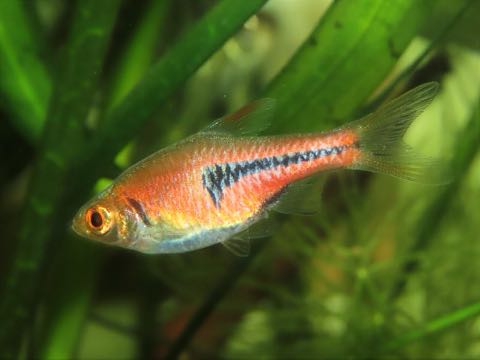 Lambchop rasbora
No shared pH rangeNo shared pH range
- Parkinson's rainbowfish
No shared temperature rangeNo shared temperature range
- Rusty cichlid
No shared temperature rangeNo shared temperature range
- Alligator gar
Alligator gar may eat Dojo loachAlligator gar may eat Dojo loach
- Altum angelfish
No shared pH rangeNo shared pH range
- Amazon leaffish
No shared pH rangeNo shared pH range
- Arapaima
Arapaima may eat Dojo loachArapaima may eat Dojo loach
- Asian arowana
Asian arowana may eat Dojo loachAsian arowana may eat Dojo loach
- Atahualpa dwarf cichlid
No shared pH rangeNo shared pH range
- Australian pearl arowana
Australian pearl arowana may eat Dojo loachAustralian pearl arowana may eat Dojo loach
Breeding oriental weatherfish
During spawning, the male wraps his body around the female to fertilize the eggs as they are expelled, allowing them to settle into the substrate below.During spawning, the male wraps his body around the female to fertilize the eggs as they are expelled, allowing them to settle into the substrate below.[6]
Documented home-aquarium breeding events remain rare. There are no reliable protocols for triggering captive spawning, incubation schedules, or early fry feeding in private tanks.Documented home-aquarium breeding events remain rare. There are no reliable protocols for triggering captive spawning, incubation schedules, or early fry feeding in private tanks.[1]
Oriental weatherfish health problems
When choosing stock, reject fish with red patches, damaged skin, lumps, or signs of wasting. Quarantine all new arrivals for at least 30 days and never share uncleaned nets between aquariums to prevent introducing parasites.When choosing stock, reject fish with red patches, damaged skin, lumps, or signs of wasting. Quarantine all new arrivals for at least 30 days and never share uncleaned nets between aquariums to prevent introducing parasites.[6][5]
Ich is a parasitic infection causing white cysts, flashing against objects, clamped fins, and rapid breathing. In some gill-based infections, breathing distress occurs without visible spots on the skin.Ich is a parasitic infection causing white cysts, flashing against objects, clamped fins, and rapid breathing. In some gill-based infections, breathing distress occurs without visible spots on the skin.[5]
Fin rot is a bacterial issue linked to poor water quality or physical injury. Look for fraying, receding fins, or blood-streaked margins, and remedy water conditions promptly while removing aggressive tank mates.Fin rot is a bacterial issue linked to poor water quality or physical injury. Look for fraying, receding fins, or blood-streaked margins, and remedy water conditions promptly while removing aggressive tank mates.[4]
Fungal infections manifest as fluffy white or grey cotton-like patches over wounded skin. Avoid sharp decor that causes scratches, maintain pristine water, and confirm diagnoses carefully since mouth rot can resemble fungal growth.Fungal infections manifest as fluffy white or grey cotton-like patches over wounded skin. Avoid sharp decor that causes scratches, maintain pristine water, and confirm diagnoses carefully since mouth rot can resemble fungal growth.[4]
Male or female?
Mature females tend to be visibly larger and rounder in the body than males. Viewed from above, adult males show enlarged pectoral fins with a notably thickened second ray.Mature females tend to be visibly larger and rounder in the body than males. Viewed from above, adult males show enlarged pectoral fins with a notably thickened second ray.[1][6]
Adult males can also develop paired muscular swellings along the body behind the dorsal fin. Sexing young juveniles accurately is difficult until they mature.Adult males can also develop paired muscular swellings along the body behind the dorsal fin. Sexing young juveniles accurately is difficult until they mature.[1]
Questions
Can weather loaches thrive in tropical tanks?
No, weather loaches do best in routine temperatures of 18–23 °C. While they tolerate up to 25 °C briefly, sustained hot tropical conditions do not suit this temperate species.No, weather loaches do best in routine temperatures of 64–73 °F. While they tolerate up to 77 °F briefly, sustained hot tropical conditions do not suit this temperate species.[1][6]
What fish can live with weather loaches?
Several cool-water species can work with them under specific conditions: common goldfish in large aquariums sized for both adults, peppered corydoras given soft sand and food access, and robust adult zebra danios or adult white cloud mountain minnows that are too large to swallow. Avoid slow fancy goldfish that get disturbed during feeding.Several cool-water species can work with them under specific conditions: common goldfish in large aquariums sized for both adults, peppered corydoras given soft sand and food access, and robust adult zebra danios or adult white cloud mountain minnows that are too large to swallow. Avoid slow fancy goldfish that get disturbed during feeding.[1][9]
How big do weather loaches get?
Weather loaches can reach an adult length of up to 28 cm. Because of this substantial size, they need an aquarium footprint of at least 120 cm × 45 cm.Weather loaches can reach an adult length of up to 11 in. Because of this substantial size, they need an aquarium footprint of at least about 4 ft (47 in) × 18 in.[1]
How to tell if a Weather Loach is male or female?
Adult males feature enlarged pectoral fins with a thickened second ray and paired swellings behind the dorsal fin. Females grow larger and carry a fuller body shape.Adult males feature enlarged pectoral fins with a thickened second ray and paired swellings behind the dorsal fin. Females grow larger and carry a fuller body shape.[1][6]
What is the lifespan of a Weather Loach?
Husbandry guide estimates report an aquarium lifespan of seven to ten years for this species. This figure serves as a general guide rather than a controlled survival study.Husbandry guide estimates report an aquarium lifespan of seven to ten years for this species. This figure serves as a general guide rather than a controlled survival study.[10]
Sources
- Misgurnus anguillicaudatus (Oriental Weather Loach) — Seriously Fish. Accessed 2026-10-05.
- What to feed your fish — RSPCA. Accessed 2026-10-05.
- Ammonia in Aquatic Systems — UF/IFAS Extension. Accessed 2026-10-05.
- Frequently asked questions on treating sick fish — Practical Fishkeeping. Accessed 2026-10-05.
- Ichthyophthirius multifiliis (White Spot) Infections in Fish — UF/IFAS Extension. Accessed 2026-10-05.
- Weather Loach (Misgurnus anguillicaudatus) — Loaches Online. Accessed 2026-10-05.
- Rocio octofasciata (Jack Dempsey) — Seriously Fish. Accessed 2026-10-05.
- Carinotetraodon travancoricus (Dwarf Puffer) — Seriously Fish. Accessed 2026-10-05.
- Weather Loach (Dojo loach) — Fishkeeping.co.uk. Accessed 2026-10-05.
- Dojo Loach Care 101 (aka Weather Or Pond Loach) — Aquarium Source. Accessed 2026-10-05.
Written from the sources above. Not yet reviewed by an aquarist.
Data used by the planner
| Temperature range | 10–25 | AqAdvisor (aqadvisor.com), retrieved 2026-10-04 · low confidence |
|---|---|---|
| pH | 7–8 | AqAdvisor (aqadvisor.com), retrieved 2026-10-04 · medium confidence |
| Hardness (dGH) | 1–12 | AqAdvisor (aqadvisor.com), retrieved 2026-10-04 · medium confidence |
| Origin | East Asia (China, Korea, Japan, Amur basin) | curated-v0 (needs expert review) · low confidence |
| Beginner friendly | Yes | curated-v0 (needs expert review) · medium confidence |
| Care level | easy | curated-v0 (needs expert review) · medium confidence |
| Activity | moderate | curated-v0 (needs expert review) · medium confidence |
| Swimming level | bottom | curated-v0 (needs expert review) · medium confidence |
| Temperament | peaceful | curated-v0 (needs expert review) · medium confidence |
| Nips fins | No | curated-v0 (needs expert review) · medium confidence |
| Long fins | No | curated-v0 (needs expert review) · medium confidence |
| Territorial | No | curated-v0 (needs expert review) · medium confidence |
| Lives in groups | No | curated-v0 (needs expert review) · medium confidence |
| Minimum group | 1 | curated-v0 (needs expert review) · medium confidence |
| Diet | omnivore | curated-v0 (needs expert review) · medium confidence |
| Lifespan (years) | 10–15 | curated-v0 (needs expert review) · low confidence |
| Months to adult size | 24 | curated-v0 (needs expert review) · low confidence |
| Safe with plants | No | curated-v0 (needs expert review) · medium confidence |
| Minimum tank length | 100 | curated-v0 (needs expert review) · medium confidence |